
An electrical safety inspection is a documented evaluation of what is really installed in a building: the service and panel, the branch circuits, the grounding and bonding, the devices, and the physical condition of all of it. It is not a code-enforcement inspection on permitted work. It is an independent assessment you commission because you are about to make a decision that depends on the answer.
That decision may be a home purchase, a sale, a renovation, an insurance question, or a load addition. The value of the visit is that you come away with a written picture of what is there, what matters now, and what can reasonably wait.
We inspect homes and small commercial buildings across Middle Tennessee. The work is especially useful where the history of the system is unclear or the next project depends on knowing what the system can actually support.
What this page is for
Which buyer, seller, renovation, storm and insurer situations fit here — and when a live fault belongs elsewhere.
If you need a documented view of the electrical system before making a decision, this is the right page.
That includes situations like: - buying a property and wanting a deeper electrical opinion than the general inspection gave you - selling and wanting to know what a buyer is likely to find - planning a renovation, HVAC change, or EV charger and needing a real capacity picture first - checking an older property after a storm, surge, or long period without any electrical review - responding to insurer questions about panel type, wiring condition, or overall system age
If you already have a live fault — a breaker that keeps tripping, power loss, flickering that began suddenly, or something that smells wrong — start with electrical troubleshooting and repair.
What gets looked at
Service and meter base, the panel with the cover off, grounding and bonding, branch circuits, devices and protection.
The service, meter base, and overall capacity picture
We begin where the electrical system begins: the service equipment, how it enters the building, how it is supported, and whether it still makes sense for how the building is used now rather than how it was used twenty or forty years ago.
That includes service conductors, weatherheads, masts, visible condition, clearances, and the realistic capacity headroom for modern loads. A house that now carries multiple heat pumps, kitchen equipment, office loads, or a planned EV charger may still have equipment that was adequate when the biggest loads were a dryer and a range. An inspection is where assumptions get replaced by a real answer.
The panel, with the cover off
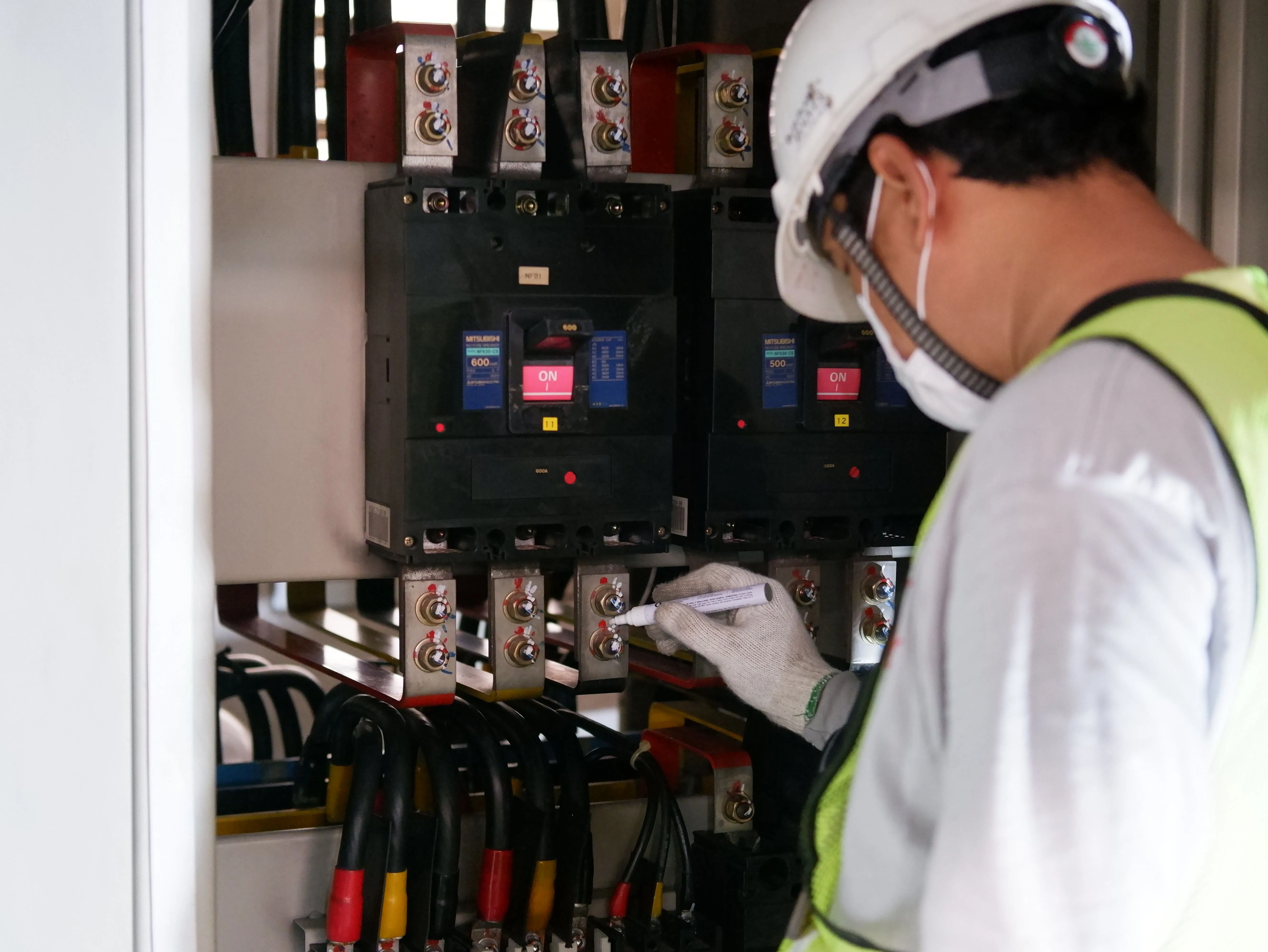
This is where many of the most important findings live. We inspect breaker types and whether they belong in that panel, double-tapped breakers, loose or crowded terminations, evidence of heat, corrosion, moisture ingress, labeling quality, and whether the equipment itself raises concern.
Known-problem panel families matter here too. If a Federal Pacific or Zinsco panel turns up, or another panel with a history worth flagging, that becomes a clear part of the written summary rather than something mentioned in passing.
Grounding, bonding, and the parts most owners never see
Grounding and bonding are easy to ignore because most of the system still works when they are wrong. They are also among the most consequential parts of the installation. We check the visible grounding-electrode path, bonding to metal systems where applicable, and the broader coherence of how the installation is put together.
Branch circuits, wiring methods, and hidden age issues
Older houses and heavily modified properties often carry several electrical eras at once. That is why an inspection does not stop at the panel. We look for knob-and-tube where it remains, aluminum branch-circuit wiring, ungrounded receptacles, improvised extensions, unsupported runs, splices outside proper boxes, and the general quality of prior changes.
Some of these conditions never announce themselves until a wall is opened or a failure occurs. The point of the inspection is to find them first.
Devices, protection, and real-world testing
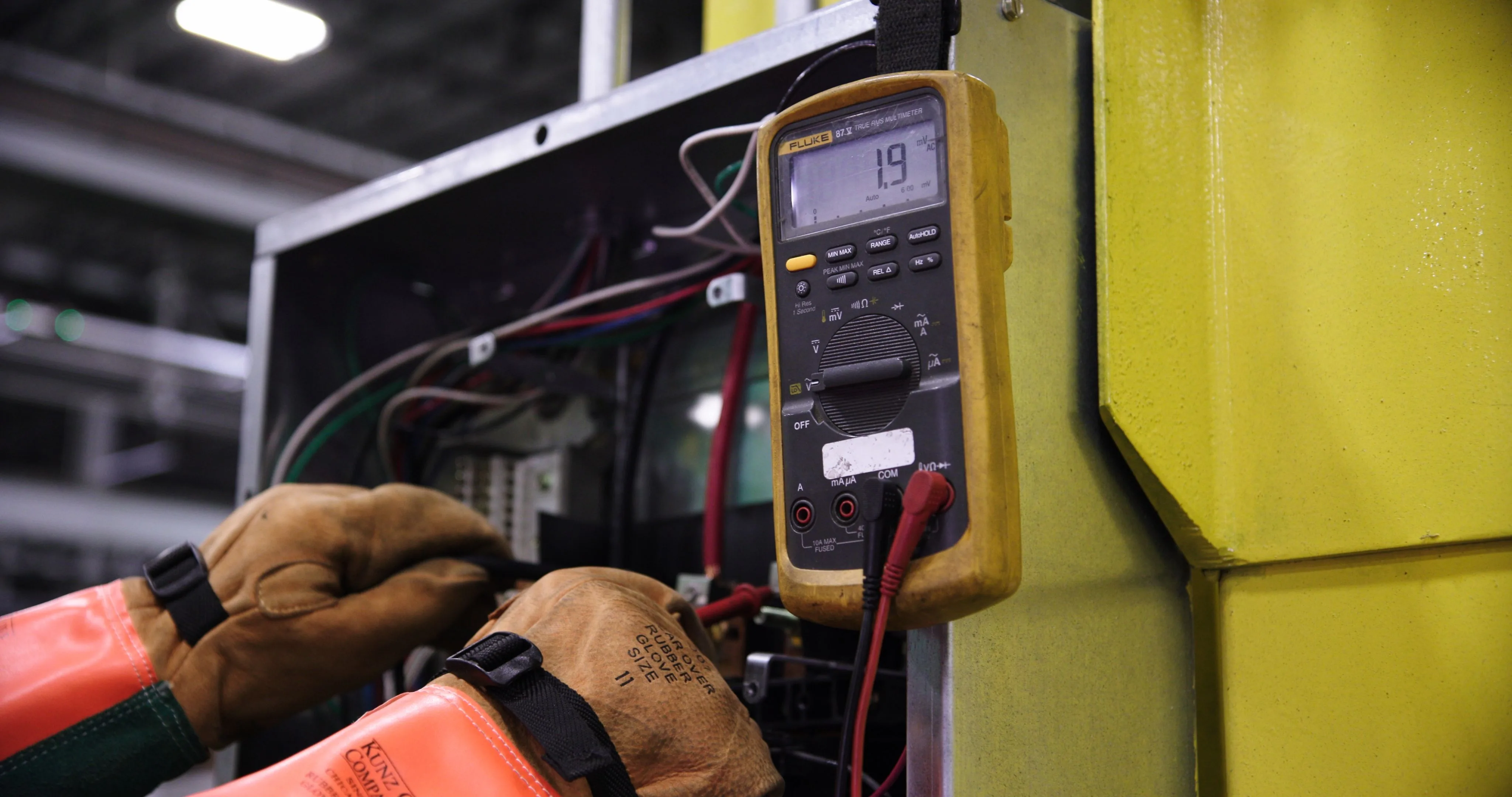
We check the condition of accessible switches, receptacles, fixtures, and the protective devices meant to back them up. That includes GFCI protection where it is now required, AFCI protection where it is expected, polarity issues, receptacles that are loose or no longer gripping properly, and signs of heat or wear that deserve attention even if the device still appears to work.
The practical question is not “does it energize today?” but whether it does so in a condition worth trusting.
When an inspection is worth commissioning
Before a purchase or sale, after a storm or surge, ahead of a new load, or when the history is unclear.
Before buying or selling
A general home inspection is broad by design. It can identify that a panel looks wrong or that several electrical items deserve attention, but it rarely tells you what those findings mean as an electrical system. A dedicated electrical inspection gives you that second layer.
a sale, which is exactly the sort of situation this page should speak to. For buyers, that means a clearer basis for deciding what needs attention first. For sellers, it means finding issues on your own timeline rather than hearing about them in the middle of a negotiation. Review evidence already supports this use case directly: PLEC has been called in to address electrical items from a home-inspection report during a sale.
After a storm or surge
Middle Tennessee weather stresses electrical systems. Even where power comes back on quickly, a storm or surge can leave behind damage that is not obvious at first glance: weakened breakers, heat at the panel, compromised exterior connections, or a service that came through less cleanly than it seemed to.
An inspection after a weather event shows whether the system truly came through intact or needs follow-up.
Before adding significant load
An EV charger, new HVAC equipment, a major kitchen project, a detached-structure feed, or a wider renovation all depend on what the system can actually support. An inspection can function as the decision point before those projects begin.
Sometimes the answer is that the system has adequate headroom. Sometimes the answer is that the next step is a panel upgrade. In other cases, the limiting factor is the existing branch wiring, which turns the conversation instead toward wiring or rewiring. The useful part is knowing which of those is true before the project is already under way.
When nothing dramatic is wrong, but the age or history is unclear
Some of the best inspection calls are not emergencies at all. They are houses that have changed hands several times, properties with visible amateur work, systems that have gone a decade or more without a proper look, or buildings that have quietly accumulated load and alterations over time.
Those are often the visits where the written report is most useful, because it creates a baseline.
What you receive after the inspection
A written summary separating immediate safety concerns from items that are real but not urgent.
A good inspection is not just the visit. It is the written summary afterwards, with immediate safety concerns separated from items that are real but not urgent.
The goal is a document you can act on: something you can use for your own planning, hand to another contractor if you want a second party to do the work, or use as the basis for the next conversation with us.
How the visit runs
From the service in — panel, grounding, then a circuit-by-circuit walk with device testing, photographed as we go.
We look at the whole system before commenting too strongly on any one part of it, because isolated findings can mislead. A scorched breaker means one thing on an otherwise tidy panel and something different on a panel with several other warning signs.
The visit usually runs from the service in: service equipment, panel with the cover off, grounding and bonding, then a circuit-by-circuit walk of the building with device testing as we go. We photograph what matters, and you are welcome to walk it with us.
Afterwards, the written summary is sorted by urgency and written in plain language.
Why use Power Line Electrical Contractors
Licensed work treated as its own job — including when the honest finding is that the system is sound.
There is an obvious tension in a contractor inspecting a system he could later be paid to repair. The only workable answer is honesty. The inspection is its own piece of work. The report should say what is there, not what would most conveniently generate follow-on work.
Johnny L. specifically praised the focus on safety, code compliance, and future-proofing rather than doing the minimum to get a job done. That is the mindset an inspection requires.
Inspections are carried out under Tennessee Electrical Contractor #82227 by a licensed, bonded and insured contractor. If the report later points toward panel work, rewiring, or fault-finding, that can become the next conversation. If the system is fundamentally sound, that is also a legitimate result.
If you need a documented view of the system’s condition before you buy, sell, renovate, insure, or plan the next step, this is the right page. If you have a specific live fault that needs to be found and fixed, that is troubleshooting. Otherwise, book an inspection or read about everything else we do.
Electrical Safety Inspection FAQs
What does a licensed electrician check during a safety inspection in Tennessee?The service, the panel with the cover off, grounding, circuits, devices and the alarms.
The service and meter base, the panel with the cover off, grounding and bonding, branch circuits and wiring methods, devices and protection like GFCI/AFCI, and smoke and carbon monoxide alarms — followed by a written summary sorted by urgency.
How long does an electrical safety inspection take?A couple of hours on site, ending with the written summary sorted by urgency.
Most inspections take a couple of hours and end with a written summary covering what is safe, what needs attention now, and what can reasonably wait.
Is an electrical safety inspection the same as a code inspection?Why an independent assessment you commission is not the county's code-enforcement inspection.
No. A safety inspection is an independent assessment you commission for your own decision-making; code-enforcement inspections on permitted work are the county's job.