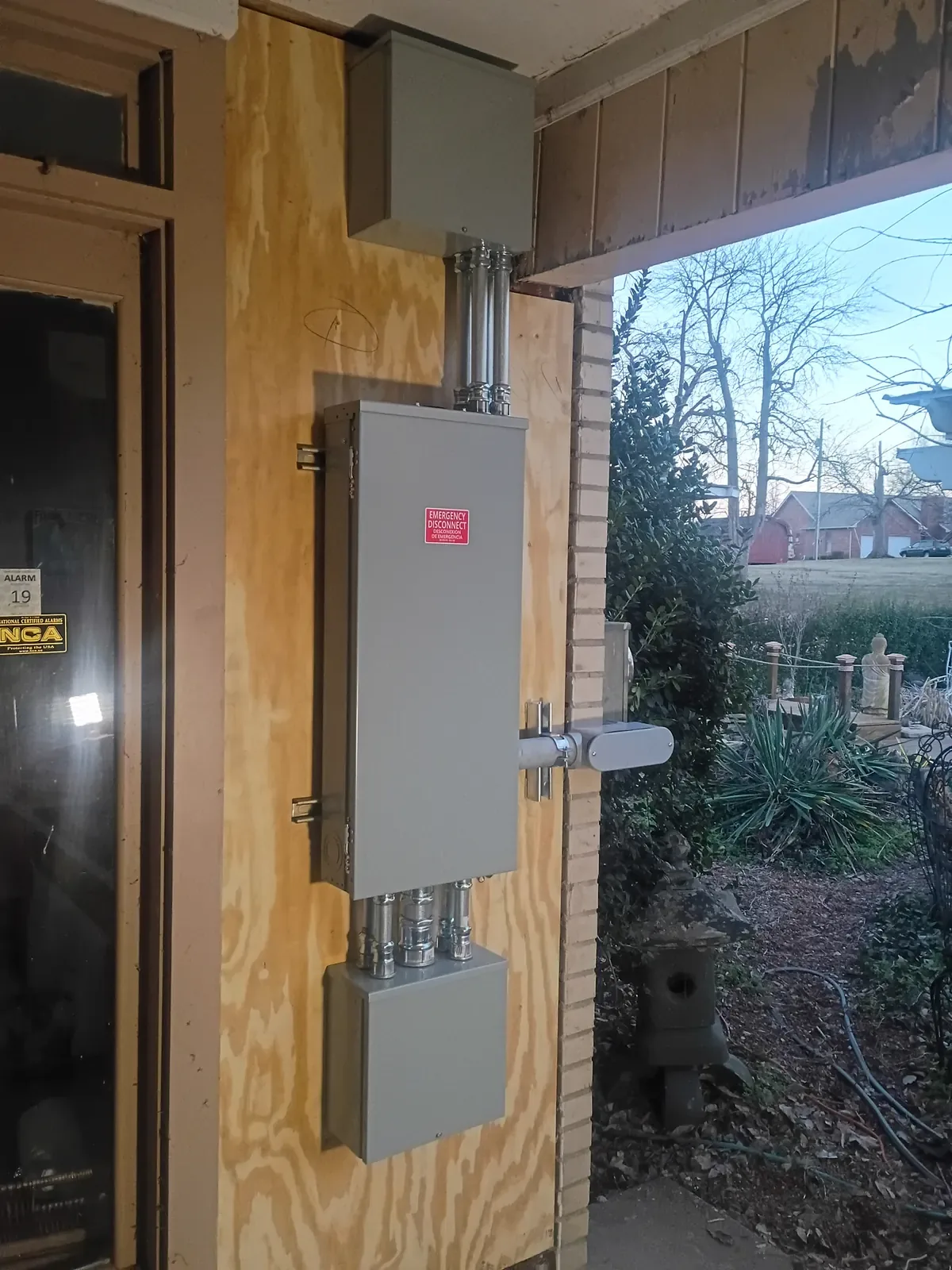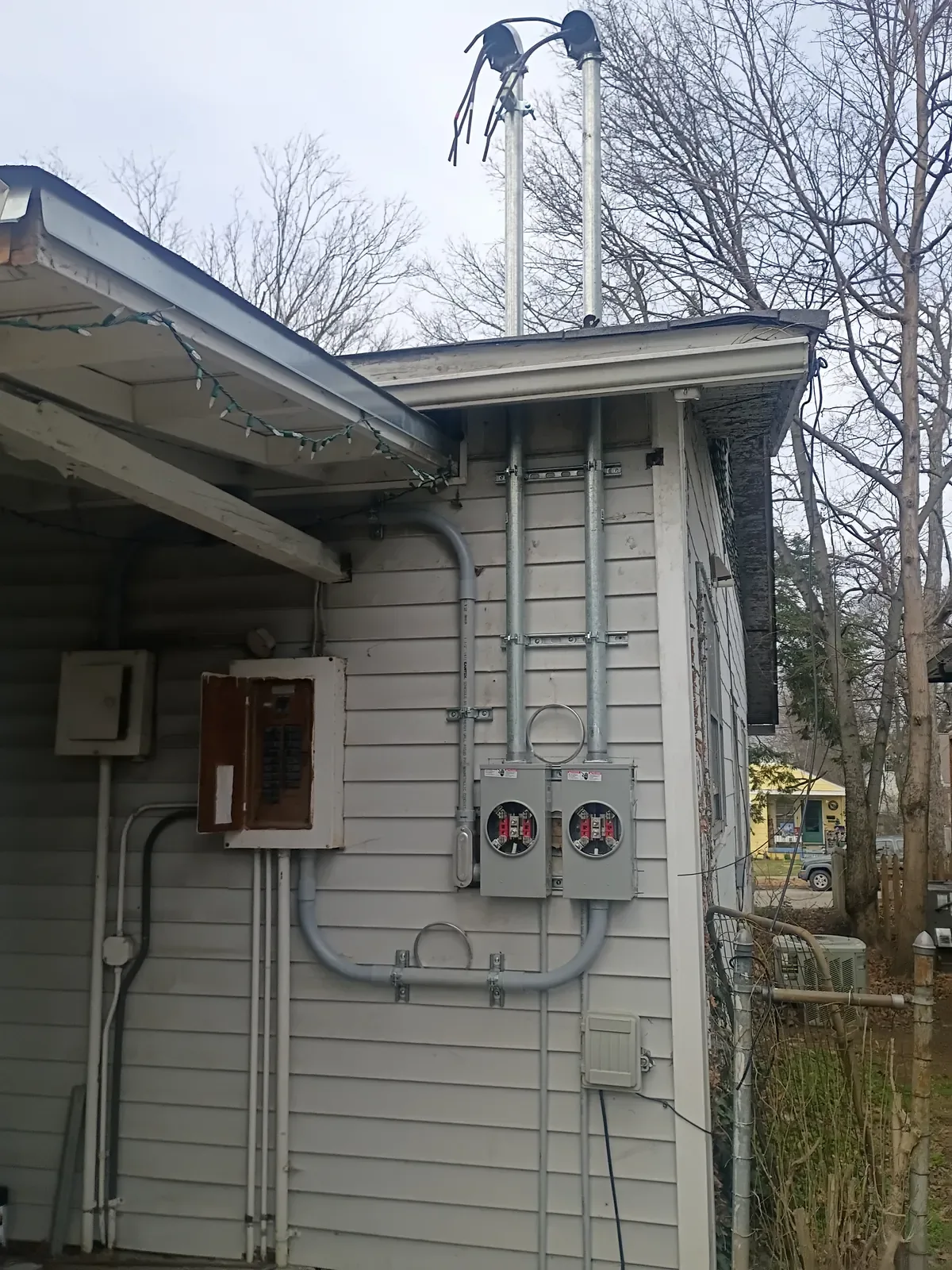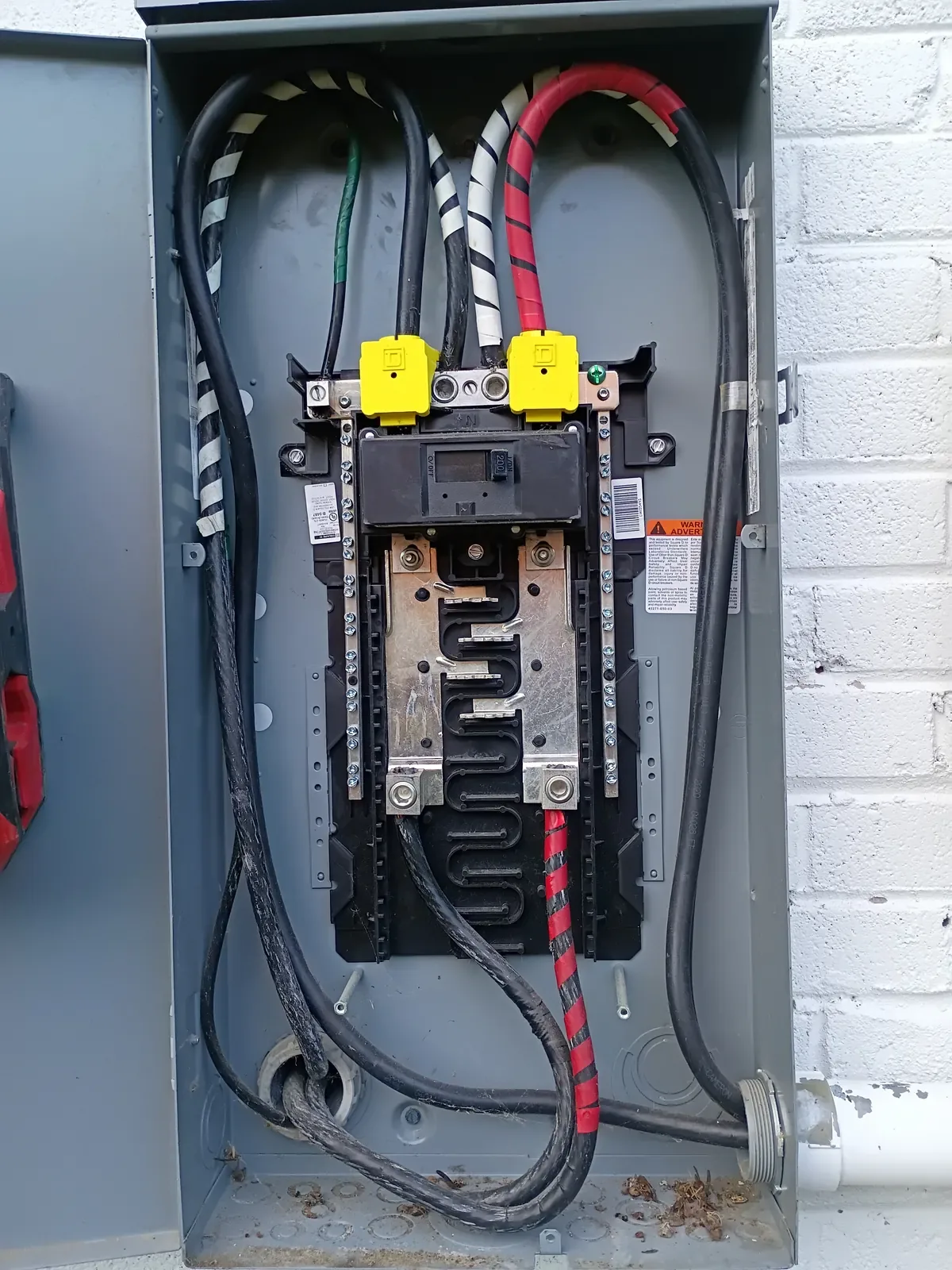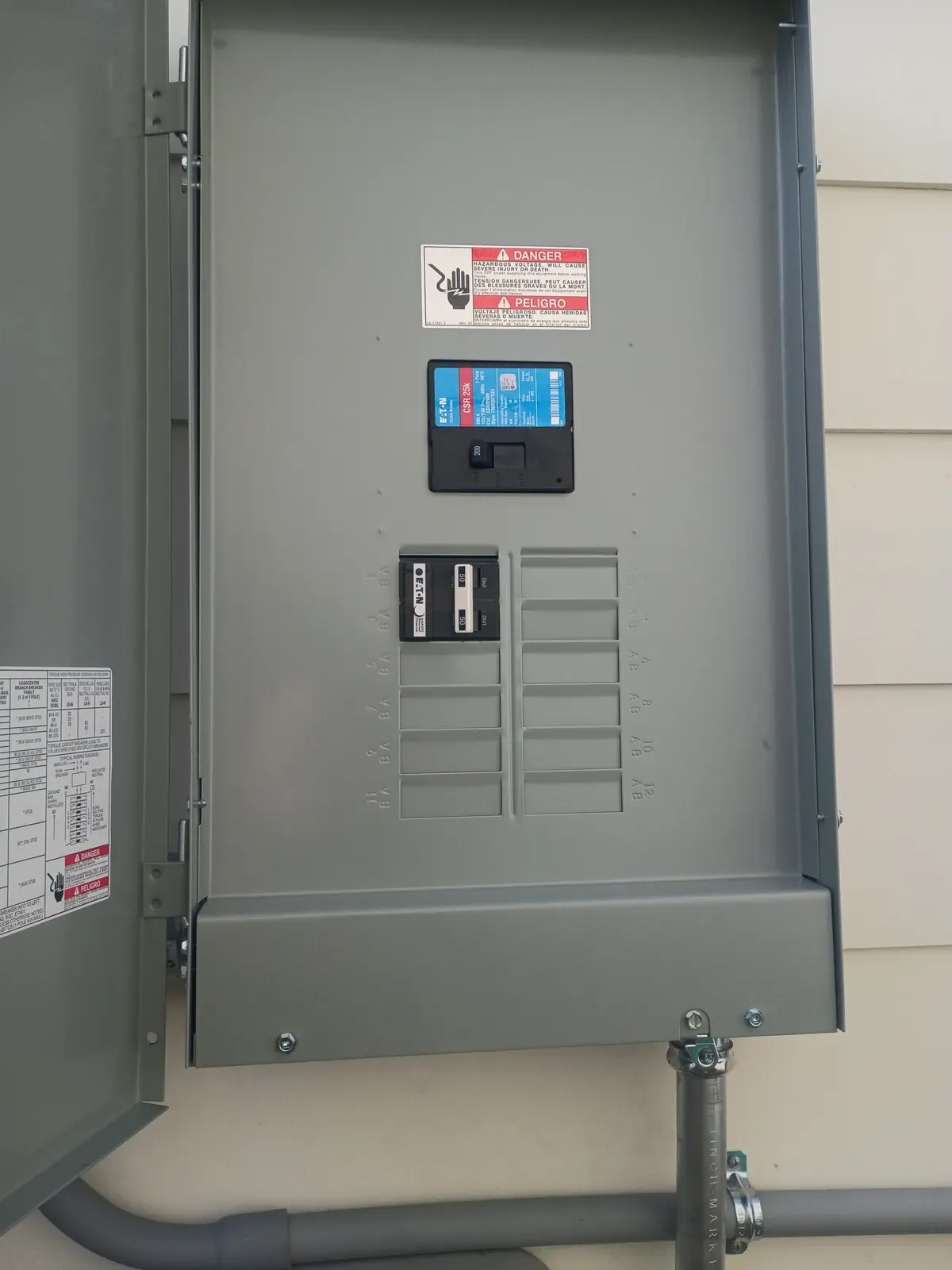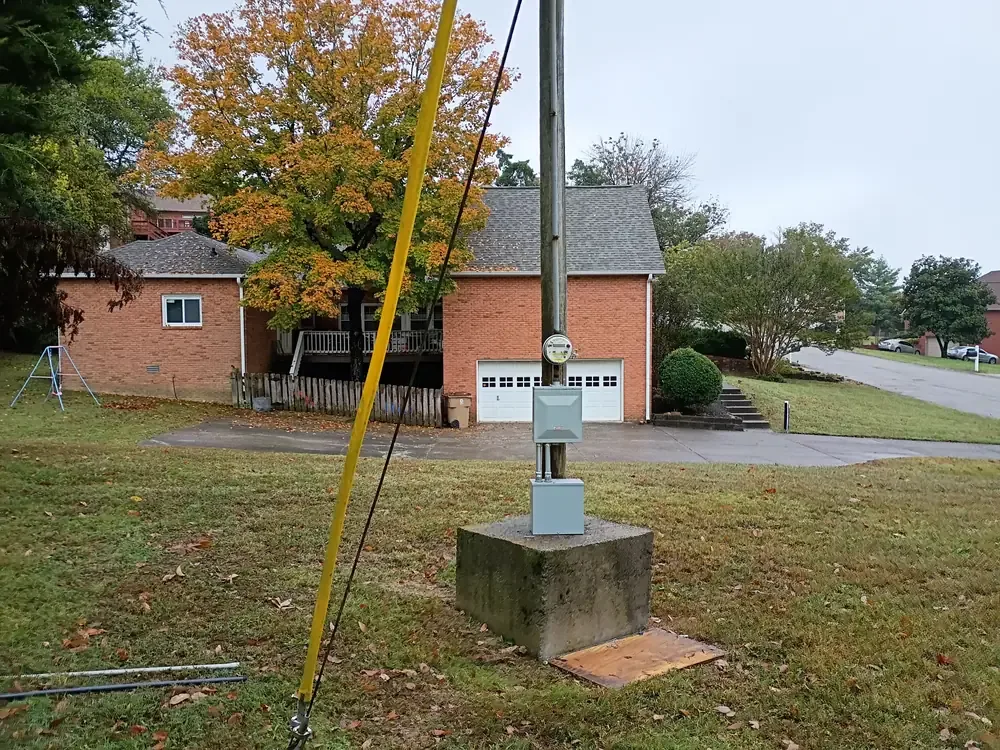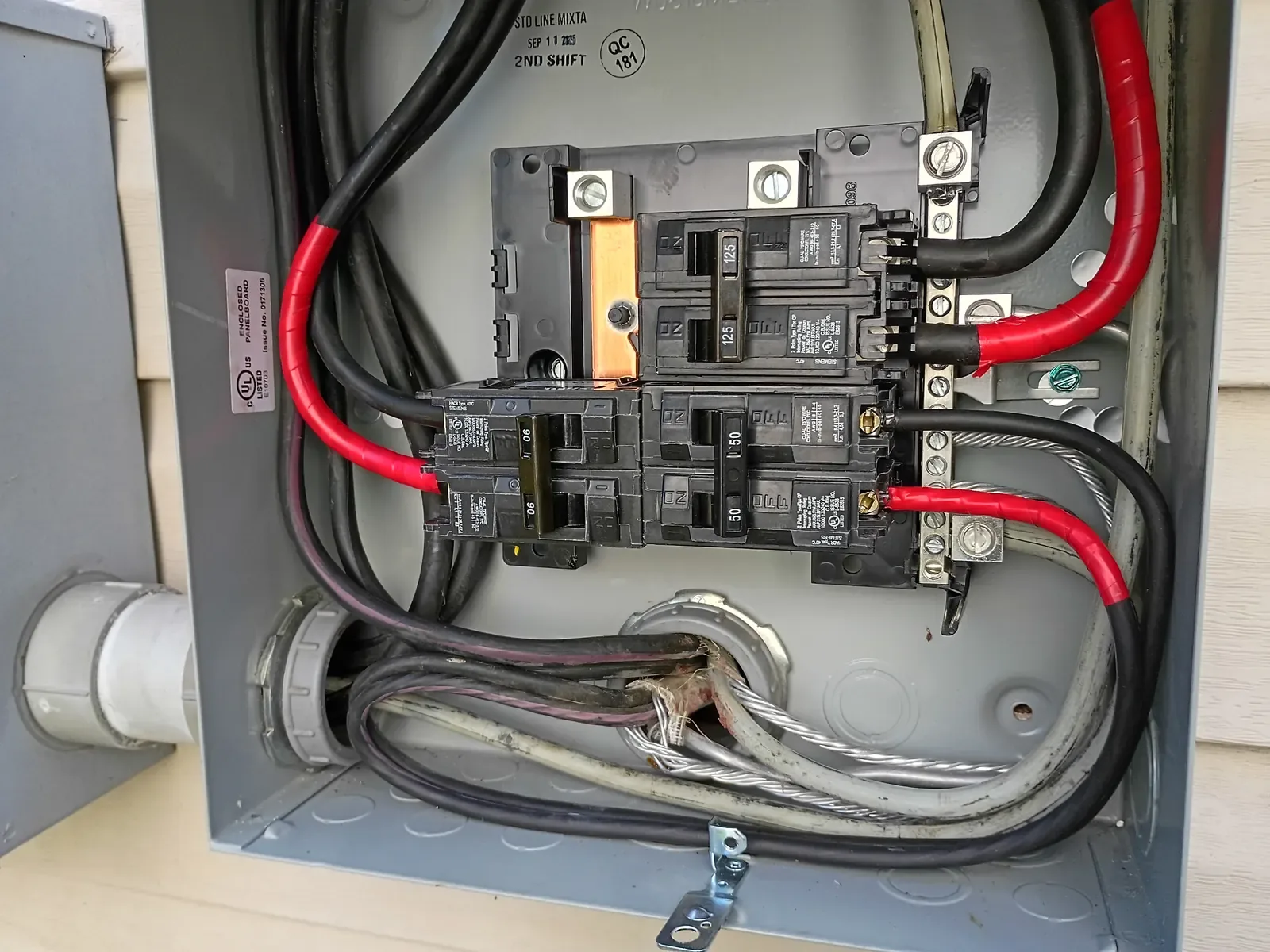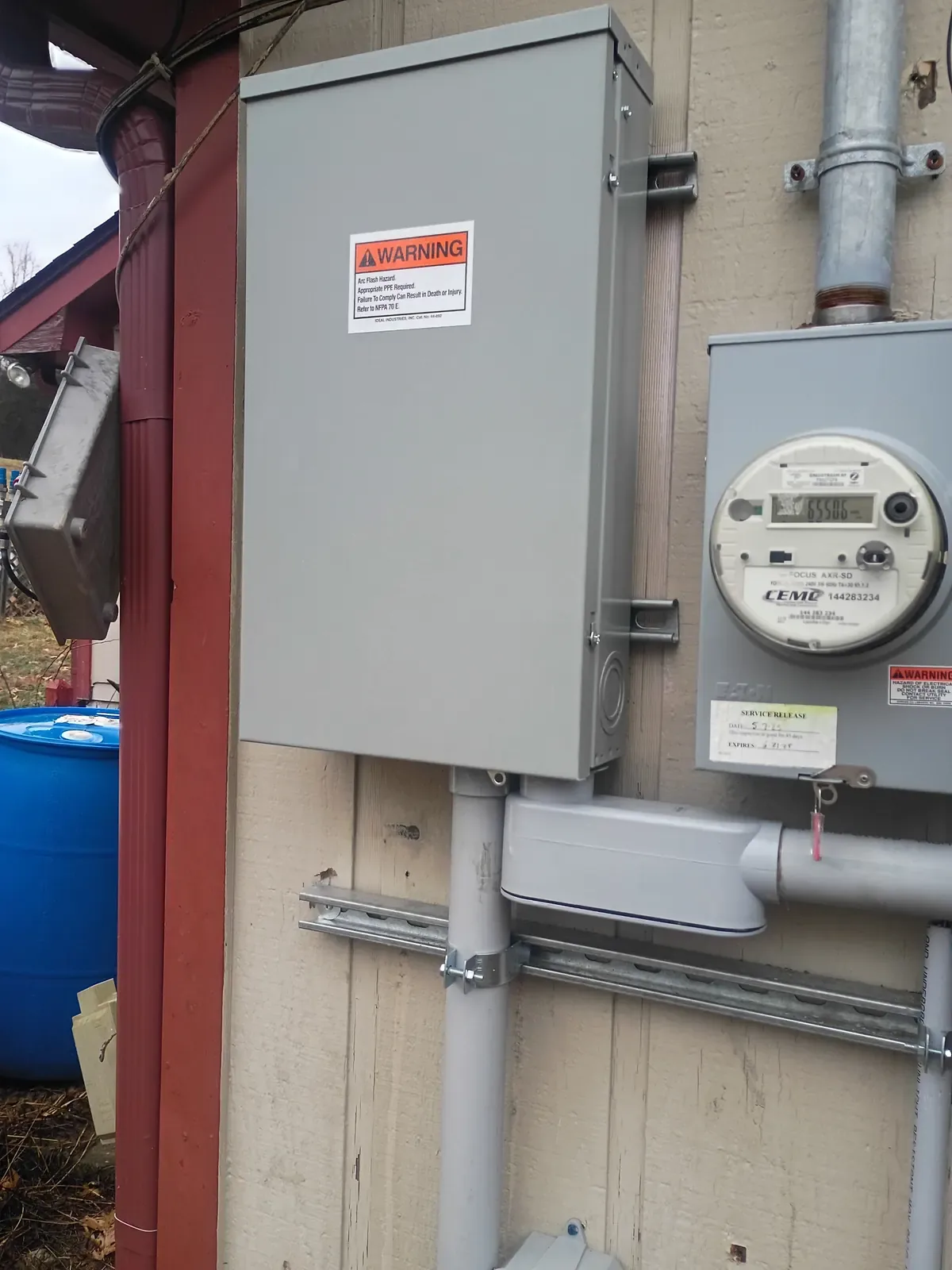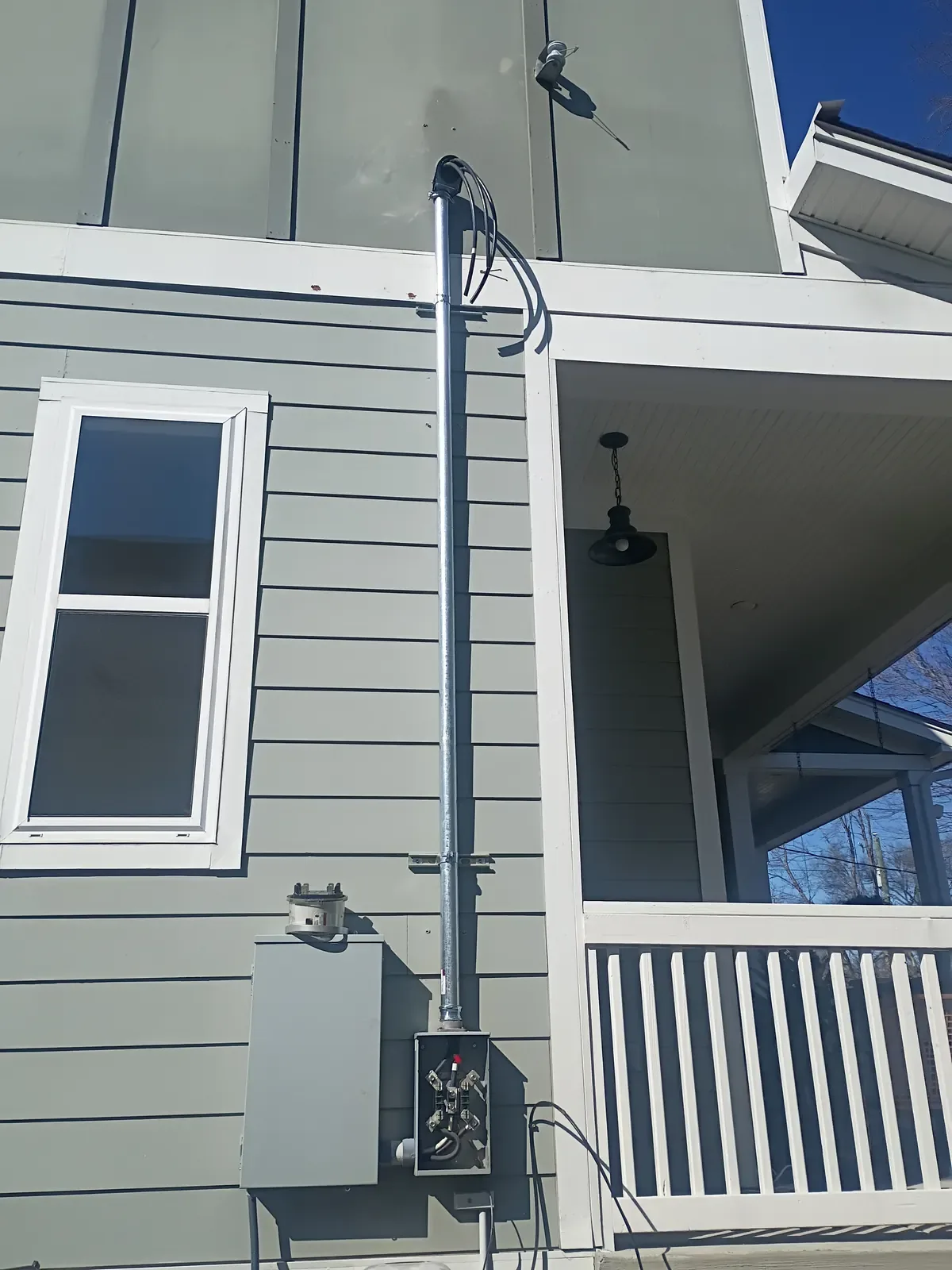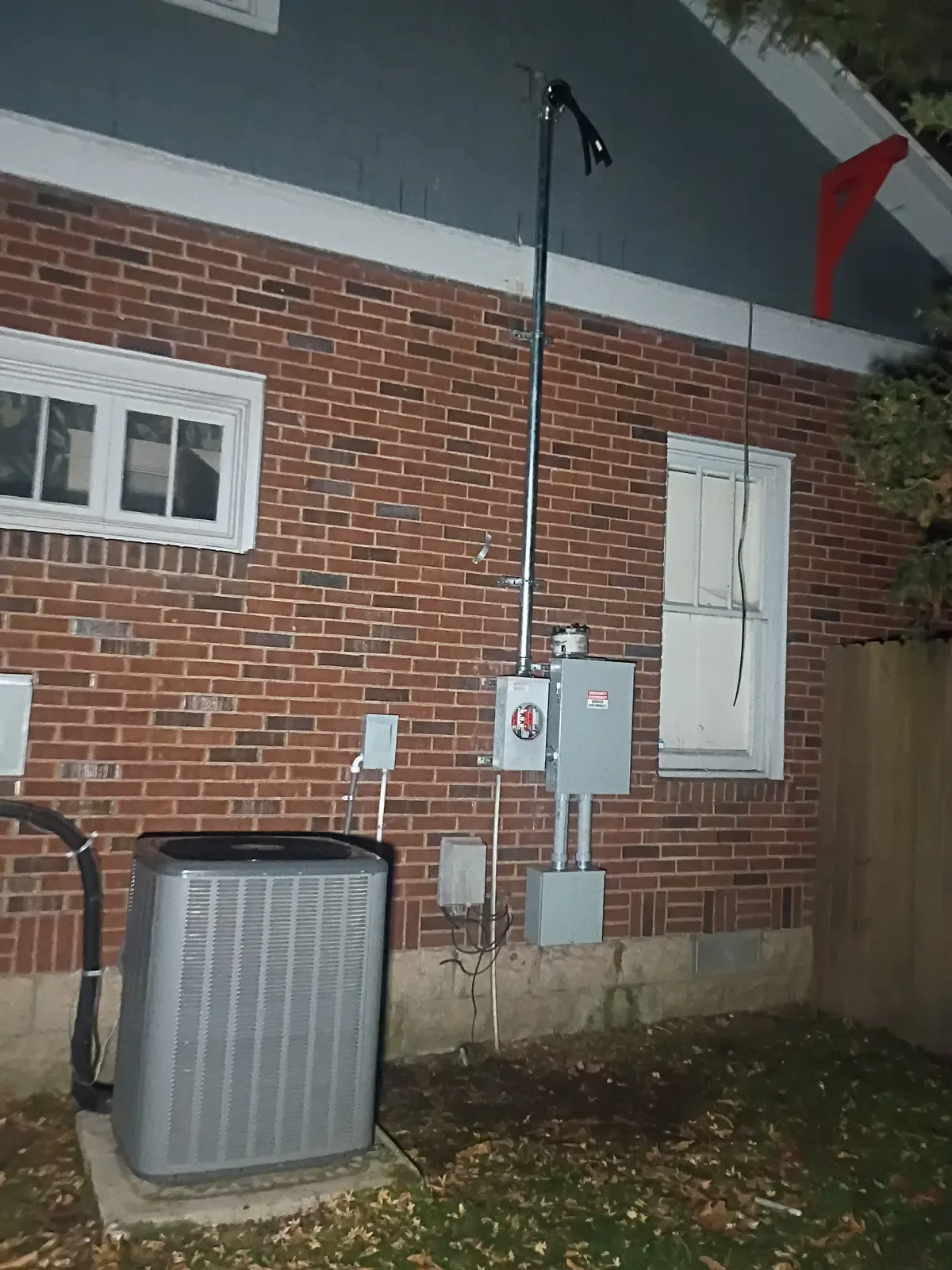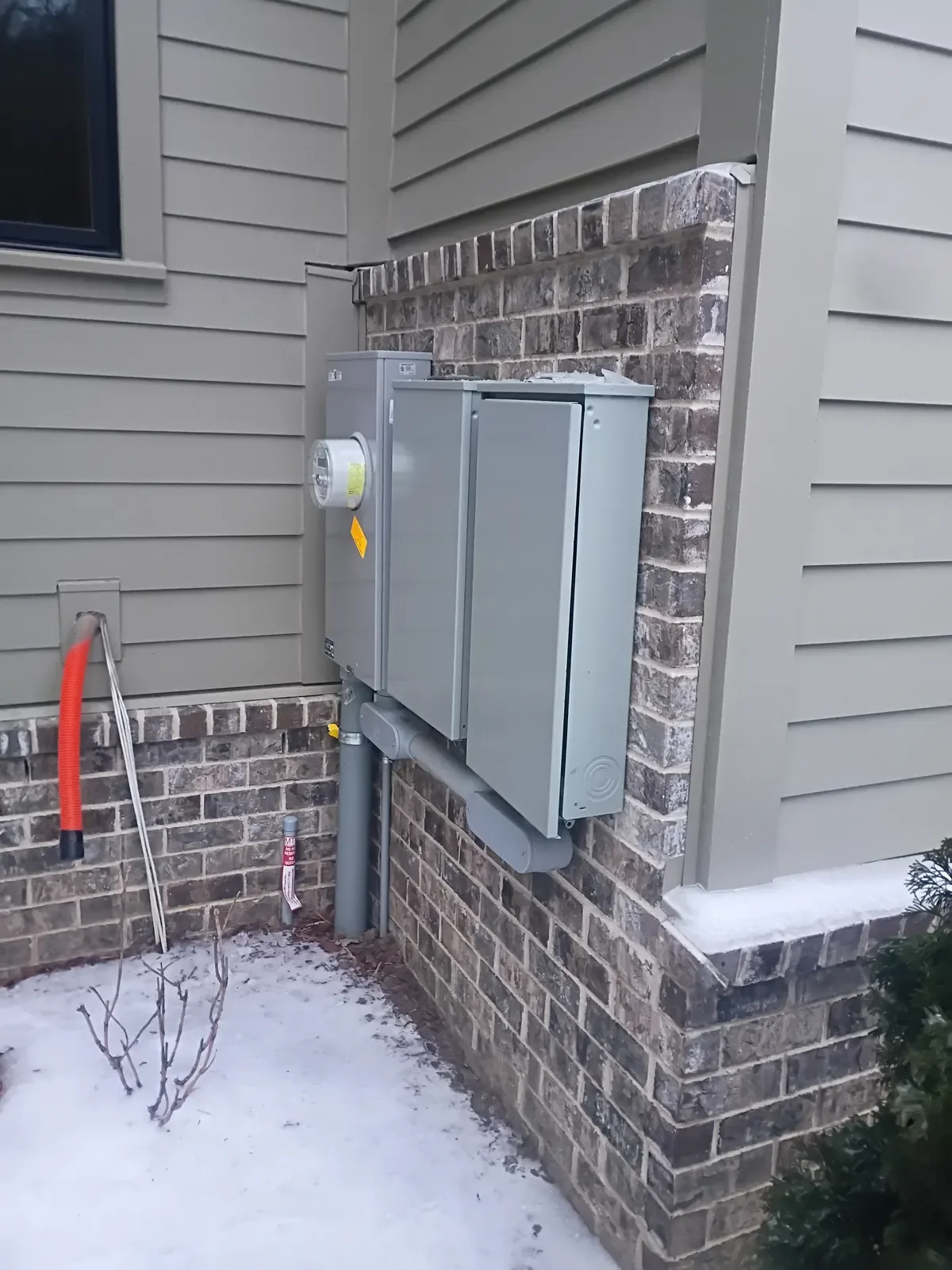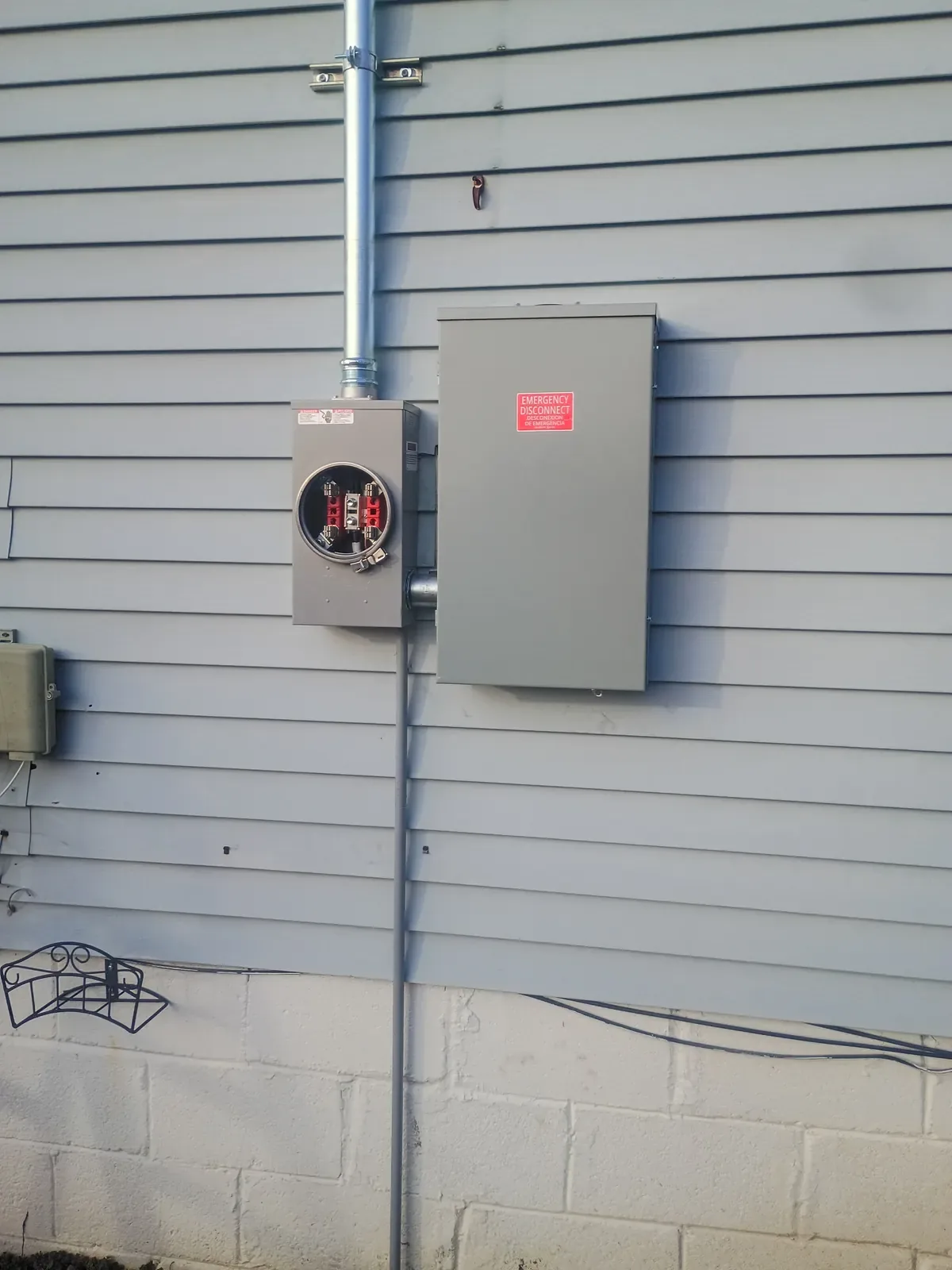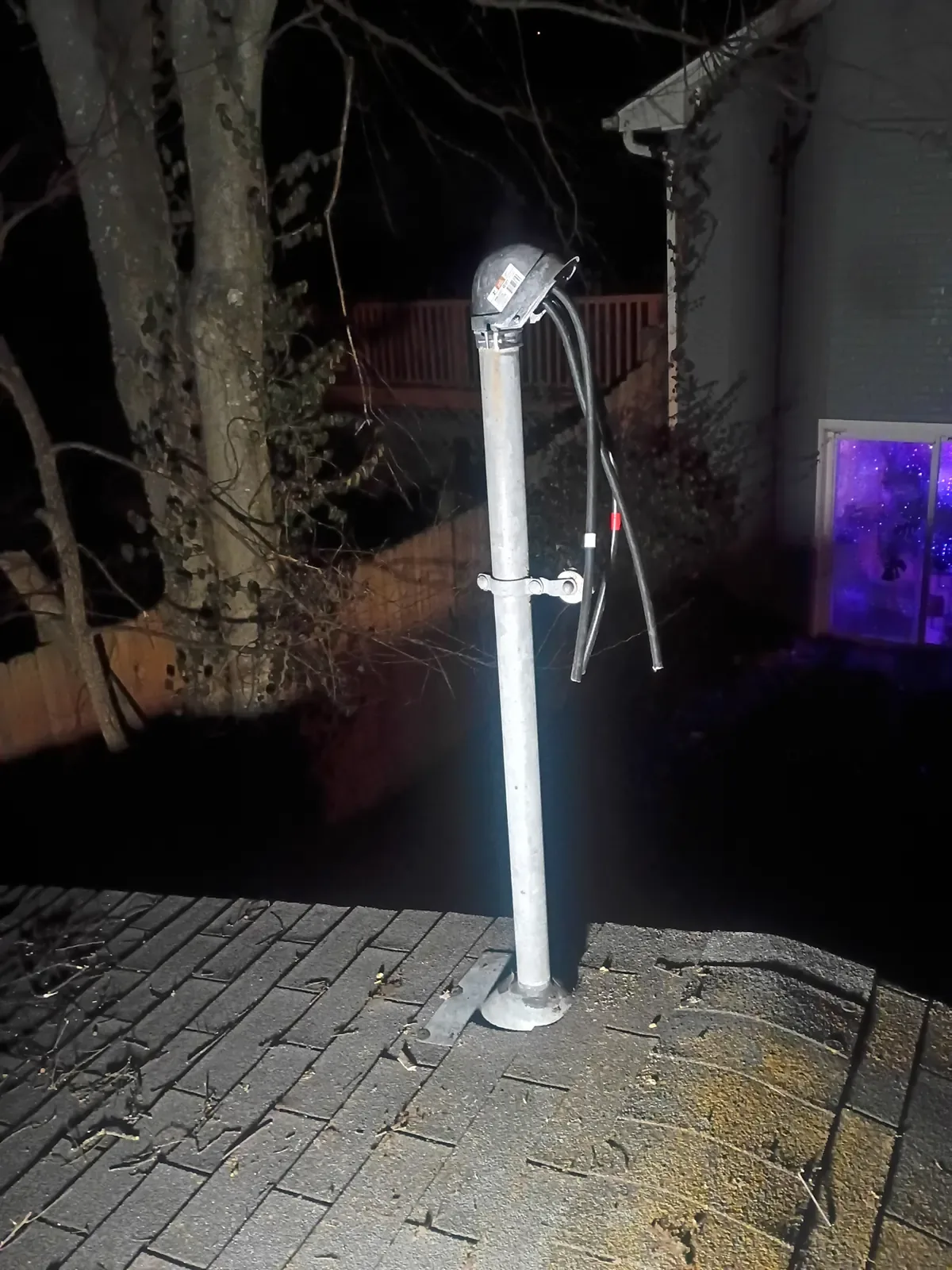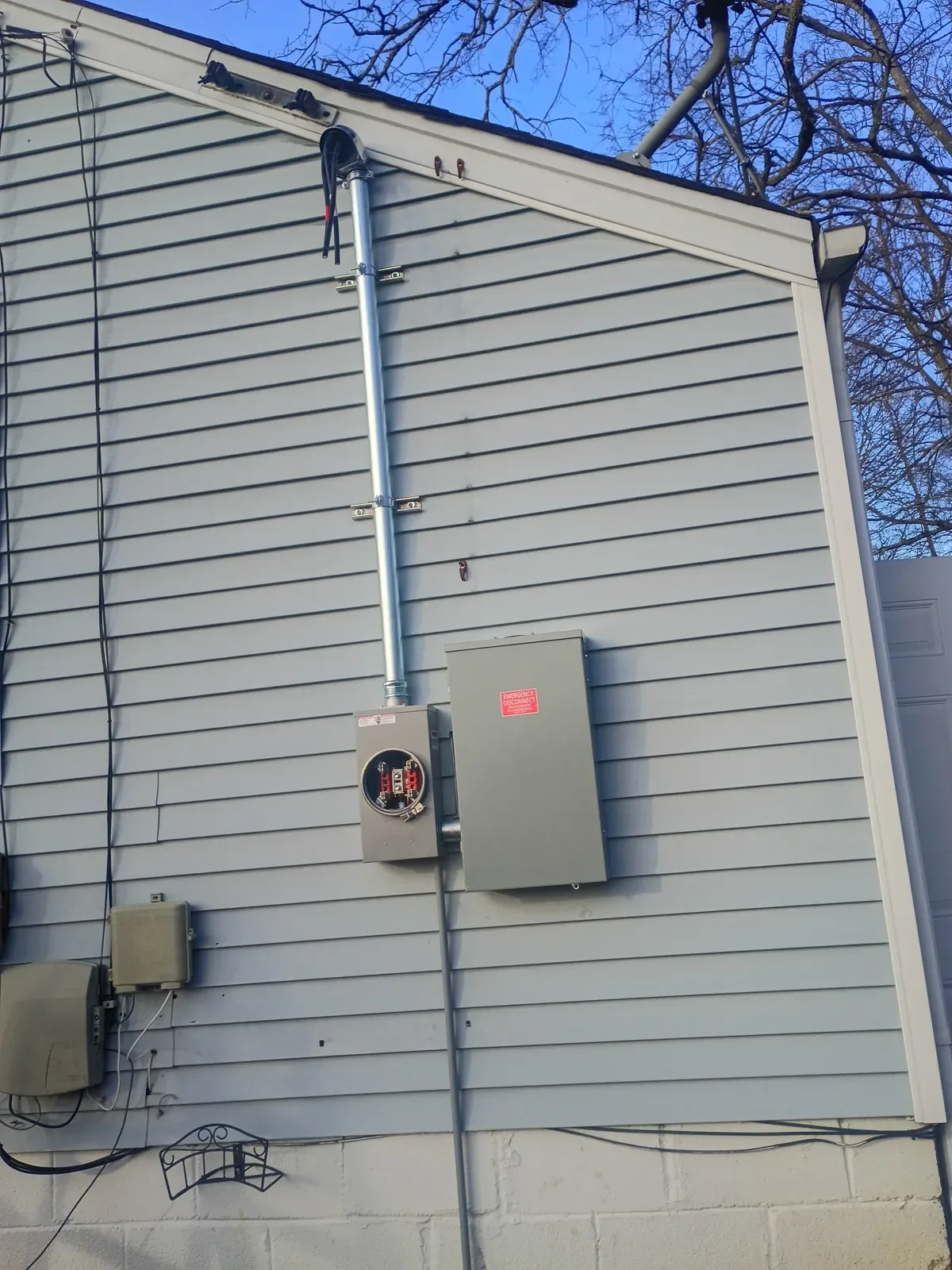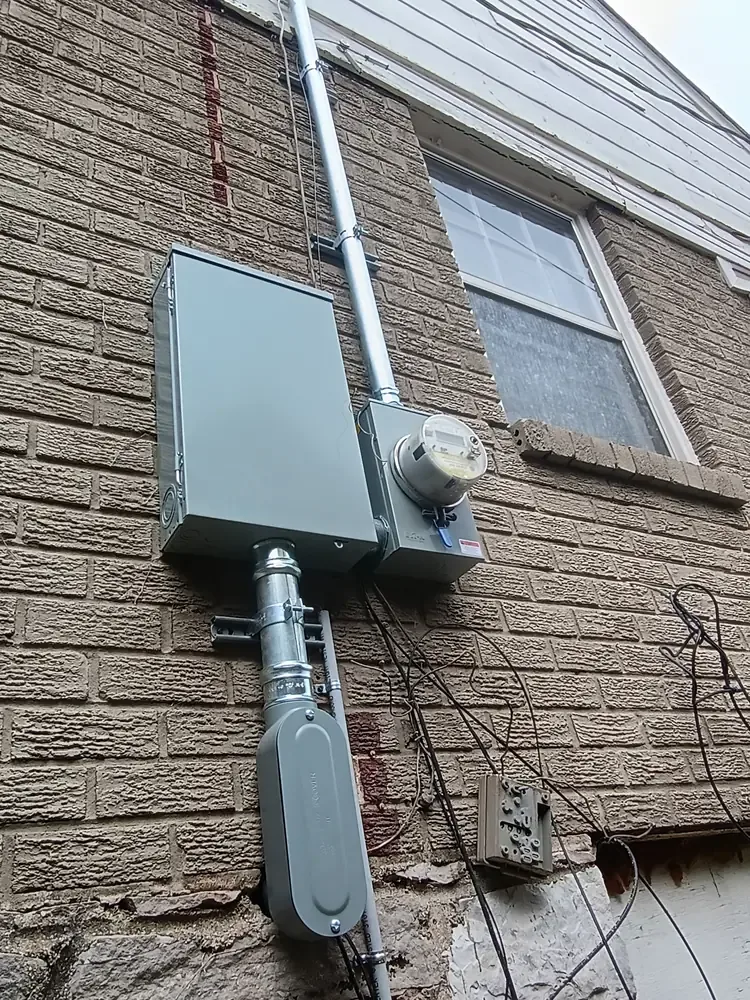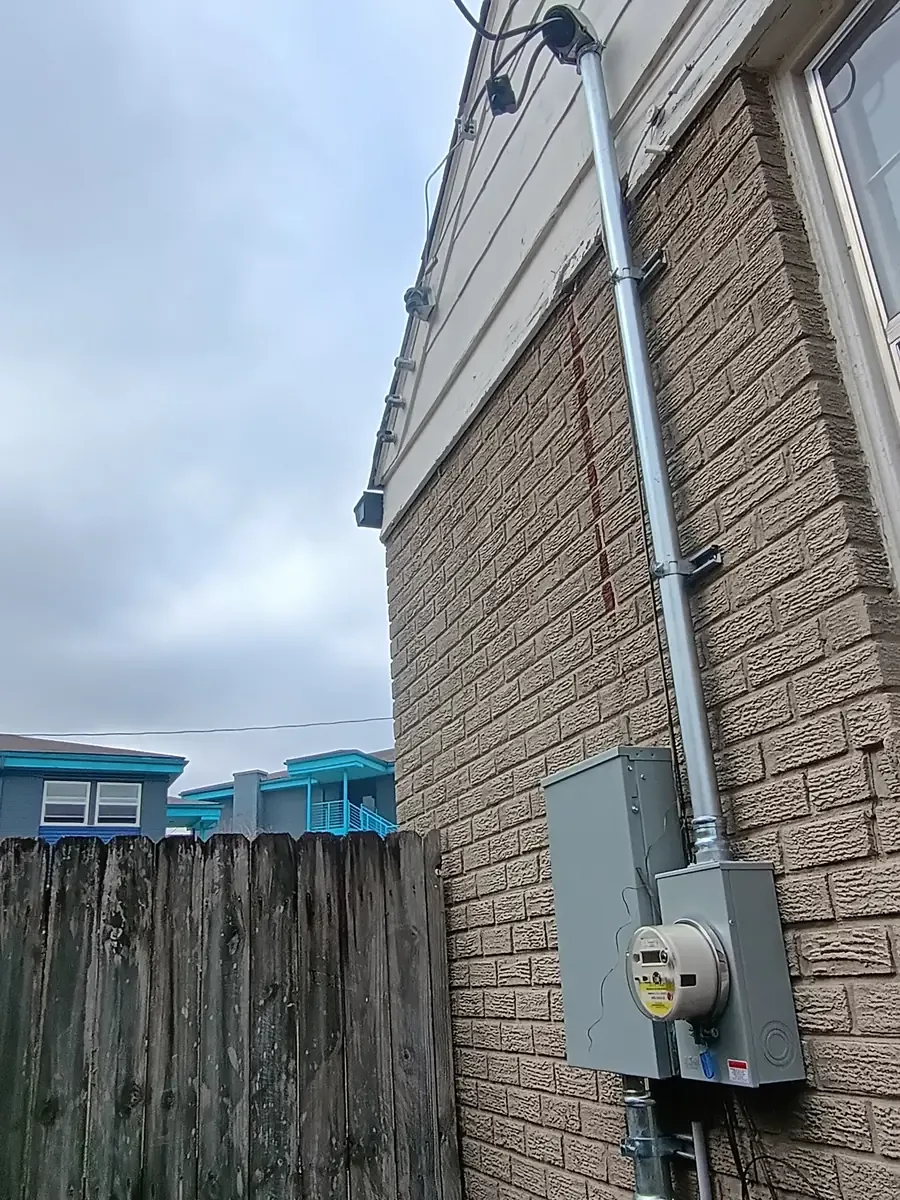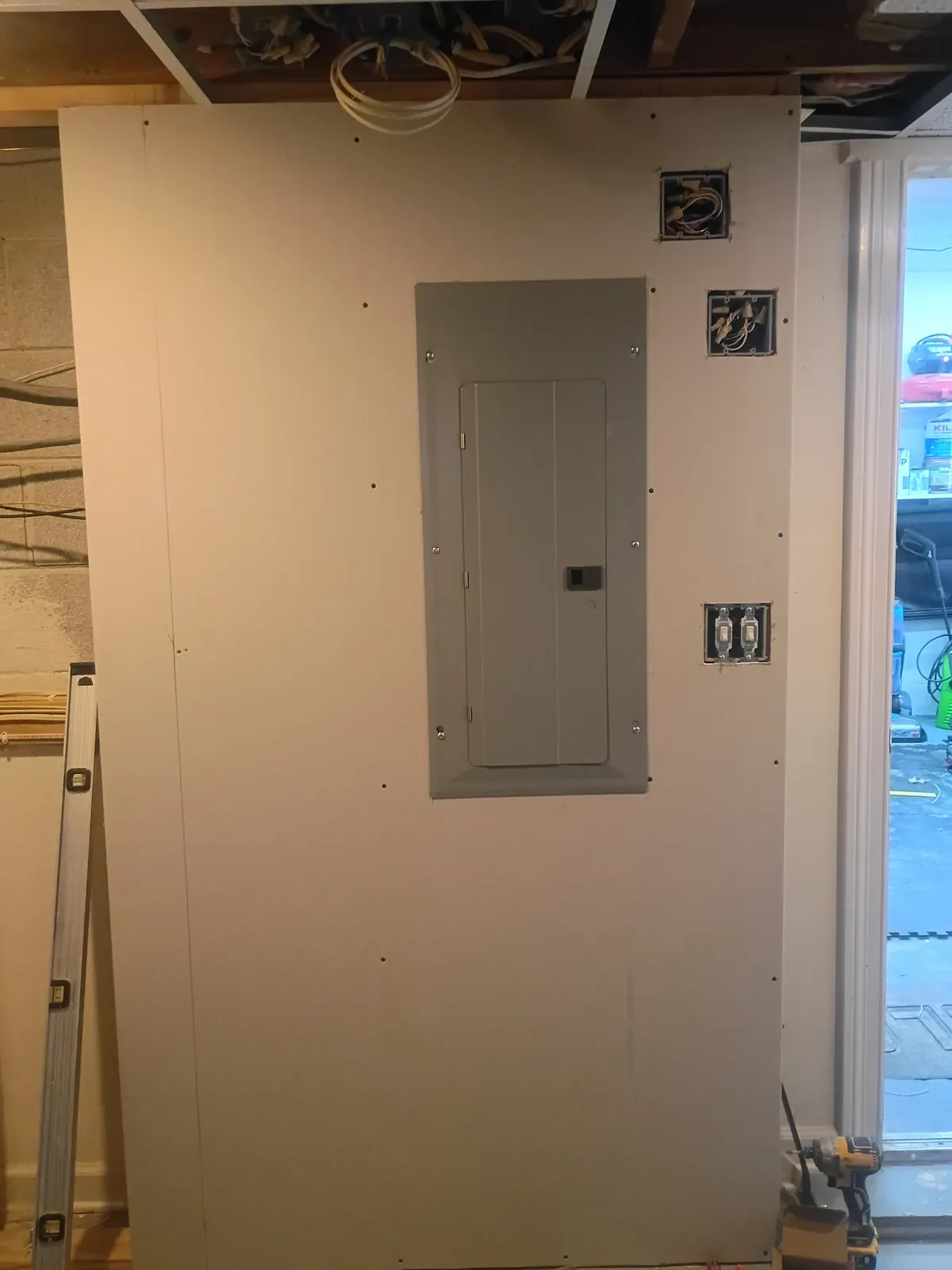

This page is for properties where the panel or service has become the limit. We do this work for homes and commercial properties across Middle Tennessee.
What an Electrical Panel Upgrade Actually Involves
What changes inside the panel, at the service, and in grounding and protection.
An electrical panel upgrade replaces the equipment that distributes power through a building — the breaker box most people picture, or the fuse box it supersedes — and in many homes it also replaces the service feeding it. Done properly it is a load calculation, new equipment with circuits distributed deliberately and labeled clearly, grounding and bonding brought back into line, protection installed where current code requires it, and — where the service itself changes — coordination with the utility.
It is not a box swap, and it is not a do-it-yourself project: this is permit-required work that a licensed electrical contractor performs and an inspector signs off. On older properties the biggest real improvement is often the grounding-electrode system rather than the new box. Because the panel is open anyway, that is also when surge protection at the panel belongs in the conversation.
When It Is Time to Upgrade an Electrical Panel
How capacity, equipment condition, property changes, and future loads shape the decision.
The honest trigger is capacity or condition, not age by itself:
- a service sized for an earlier era now has to carry modern HVAC, kitchen, office, garage, or charger loads
- a renovation, addition, workshop, or EV charger plan changes the load on the whole service
- a standby generator project needs transfer equipment integrated with the panel
- the panel is full, and the next circuit has nowhere to go
Is My Federal Pacific or Zinsco Panel a Problem?
What the panel name can tell us—and why the equipment still needs an on-site evaluation.
Not automatically, but it is worth having evaluated: Federal Pacific Electric (FPE) and Zinsco panels are obsolete equipment that home inspectors and insurers routinely flag. That is usually how the subject reaches us — someone else raised it first.
The practical difficulty is supply. Listed replacement breakers and parts are not readily available for either, so the ordinary options are narrower than they are on current equipment. What decides the answer is the condition a licensed electrician finds when the cover comes off, and what the load calculation says the property needs — not the label on the door.
Upgrading a 100-Amp Service to 200 Amps
Why a service-size change involves more than replacing the breaker box.
A 200-amp service upgrade is the most common step-up we are asked about, and a load calculation decides it rather than the number. A 100-amp service is not automatically inadequate, and a 200-amp service is not automatically enough.
What makes it larger than the panel alone is everything a service change touches: the service conductors, the meter equipment, the grounding-electrode system, and whether the panel can stay where it is.
When 320- or 400-Amp Service Comes Up
How larger residential and commercial loads lead to higher-capacity service planning.
At the top of the residential range the request usually arrives as either “320-amp” or “400-amp” service, and people use both terms for the same conversation. What is actually installed — and whether a larger service is the right answer at all — comes out of the load calculation, what the utility requires, and what the listed equipment allows. We do not size a service from a number someone heard, and often the better answer is a correctly sized service feeding well-planned distribution.
Subpanel Installation vs a Main-Service Upgrade
The difference between adding distribution space and increasing available service capacity.
A subpanel adds circuit positions. It does not add service capacity.
If the limit is physical — the main panel is full, or a garage, shop, addition, or detached structure needs distribution closer to its loads — a subpanel fed correctly from the existing service can be the right job. If the load calculation says the service itself is what the property has outgrown, a subpanel does not fix that; it redistributes a shortage. Sometimes both are true, and the subpanel is installed as part of the main-service upgrade rather than instead of it.
How a Load Calculation Decides Panel Capacity
How connected loads and expected demand guide service and panel sizing.
A load calculation is the difference between a recommendation and a guess. It accounts for the building’s general lighting and receptacle load, heating and cooling, water heating, cooking equipment, and the large loads a property carries — then for what you are planning next.
A charger, a hot tub, or shop equipment belongs in the calculation before a service size is chosen, not after the new panel is already near capacity. Panel capacity is also about usable circuit positions, not just the number on the main breaker.
The Meter, the Service Entrance, and the Utility
Where the meter base, service conductors, panel, and utility responsibilities meet.
Where a job changes the service — not just the panel — it reaches the service entrance and the meter base, and that brings the utility into it. Power has to be disconnected before the work and reconnected afterward, and that coordination is part of the job we handle.
Two site facts shape the scope: where the meter sits relative to the panel, and whether the panel’s location still has the working clearance current code requires. A panel that has to move is a different project.
Permits and Inspection on a Panel Upgrade
How project location and scope determine permit, inspection, and coordination requirements.
Panel and service upgrades are permit-required work in Middle Tennessee, and the finished installation is inspected before the job is closed out. We handle the permit and the inspection as part of the work.
We do not promise how long that takes: permit issuance, inspection scheduling, and utility disconnect and reconnect are controlled by other organizations. What you should expect is a sequence explained before the work starts and managed while it runs.
What Affects the Cost of an Electrical Panel Upgrade
The equipment, access, service, grounding, and coordination factors that change the scope.
We do not publish prices, because a panel upgrade is priced from what is actually there. The variables that move the scope:
- The service amperage the load calculation supports, and whether the service changes or only the panel
- Meter and service-entrance work — whether the meter equipment, service conductors, or the mast are involved
- Panel location — clearance, and whether the panel can stay where it is
- Grounding and bonding — what the existing electrode system needs
- Circuit count and condition — how many circuits transfer, and whether existing wiring is fit to reconnect
- Protection required by current code at the circuits being installed
- Permit and inspection, plus utility coordination
- What is found behind the cover, which nobody can price in advance
For a longer walk through these variables, see what determines the complexity of a panel upgrade.
Signs the Service Is Due for an Upgrade
Patterns that can point to capacity, condition, or service-equipment limitations.
- Breakers tripping under normal use.
- A panel that is warm, discolored, buzzing, or smells hot.
- A fuse box or clearly obsolete equipment.
- Lights dimming when larger equipment starts.
How We Work Through a Panel Upgrade
The sequence from assessment and planning through coordination, installation, and closeout.
We measure before we recommend: opening the panel, identifying what is really connected, checking the service conductors and grounding where the scope allows, and running the load calculation.
Two honest outcomes come out of that. Either the service is genuinely undersized, or it is adequate and the real problem is elsewhere — in which case the right job may be a dedicated circuit or electrical troubleshooting.
If the upgrade goes ahead, you get the scope first: whether the meter equipment is involved, whether the panel moves, how long the power will be off and when that outage is scheduled, and what the permit and inspection sequence looks like. On the workday, circuits are transferred deliberately, protection is installed where current code requires it, and the finished board is labeled clearly.
When the Right Answer Is Not a Panel Upgrade
When troubleshooting, a dedicated circuit, rewiring, or another targeted repair fits better.
Not every tripping breaker means the service is undersized. A single load may only need its own circuit, a failing breaker may be a local repair, and a loose connection or damaged branch circuit may be a troubleshooting job rather than a new panel. Where an upgrade is right, the size still comes from the load calculation and the property’s actual plan.
Why Power Line Electrical Contractors
Licensed, diagnosis-first panel work with a scope based on what the property actually needs.
A panel is the one piece of equipment in a building where cutting corners can sit quietly for years before anyone pays for it.
Every panel upgrade we perform is done under Tennessee Electrical Contractor #82227 by a licensed, bonded and insured contractor. If the honest answer is a dedicated circuit, troubleshooting, rewiring, or a staged plan tied to a wider project, that is the answer you get before the work starts.
Electrical Panel Upgrade FAQs
Do I need a permit for a panel upgrade in Nashville?How permit and inspection coordination fits into panel and service work.
Yes. Panel and service upgrades require a permit and inspection coordinated with the local building department — this is part of every panel upgrade we perform, not an optional add-on.
How do I know if I need a 200-amp service?Why a load calculation—not a blanket recommendation—determines service size.
A load calculation on what your property actually draws — and is about to draw — determines the service size. Many older Middle Tennessee homes were built with 60- or 100-amp services that are no longer adequate for modern loads.
What's included in a panel upgrade?The major planning, equipment, protection, grounding, and closeout pieces.
A load calculation, the new panel with circuits sensibly distributed, AFCI/GFCI protection where code requires it, grounding and bonding brought up to standard, utility coordination, permit and inspection, and a labeled panel schedule.
How much does an electrical panel upgrade cost in Nashville?The equipment, access, coordination, and service conditions that shape the project scope.
The cost of an electrical panel upgrade depends on the job — the amperage you are going to, the complexity of the installation, and the condition of what is already there — so we do not publish a price range that may not apply to your home. Power Line Electrical Contractors provides detailed, transparent estimates based on whether you are upgrading to a 200-amp service or installing a modern smart panel. Factors influencing the final price include permit fees in Davidson County, the age of your current wiring, and any necessary utility service changes. Estimates are free, so the accurate answer for your property comes from having someone look at it.
Why does my circuit breaker keep tripping?Why repeated breaker trips need diagnosis before deciding on the right repair.
A circuit breaker typically trips due to a circuit overload, a short circuit, or a ground fault. If your breaker trips repeatedly, it is a safety mechanism signaling a dangerous electrical draw or faulty wiring. Power Line Electrical Contractors uses advanced diagnostic tools to locate the specific fault in your system and resolve the issue, preventing potential electrical fires and restoring stable power to your home or office.