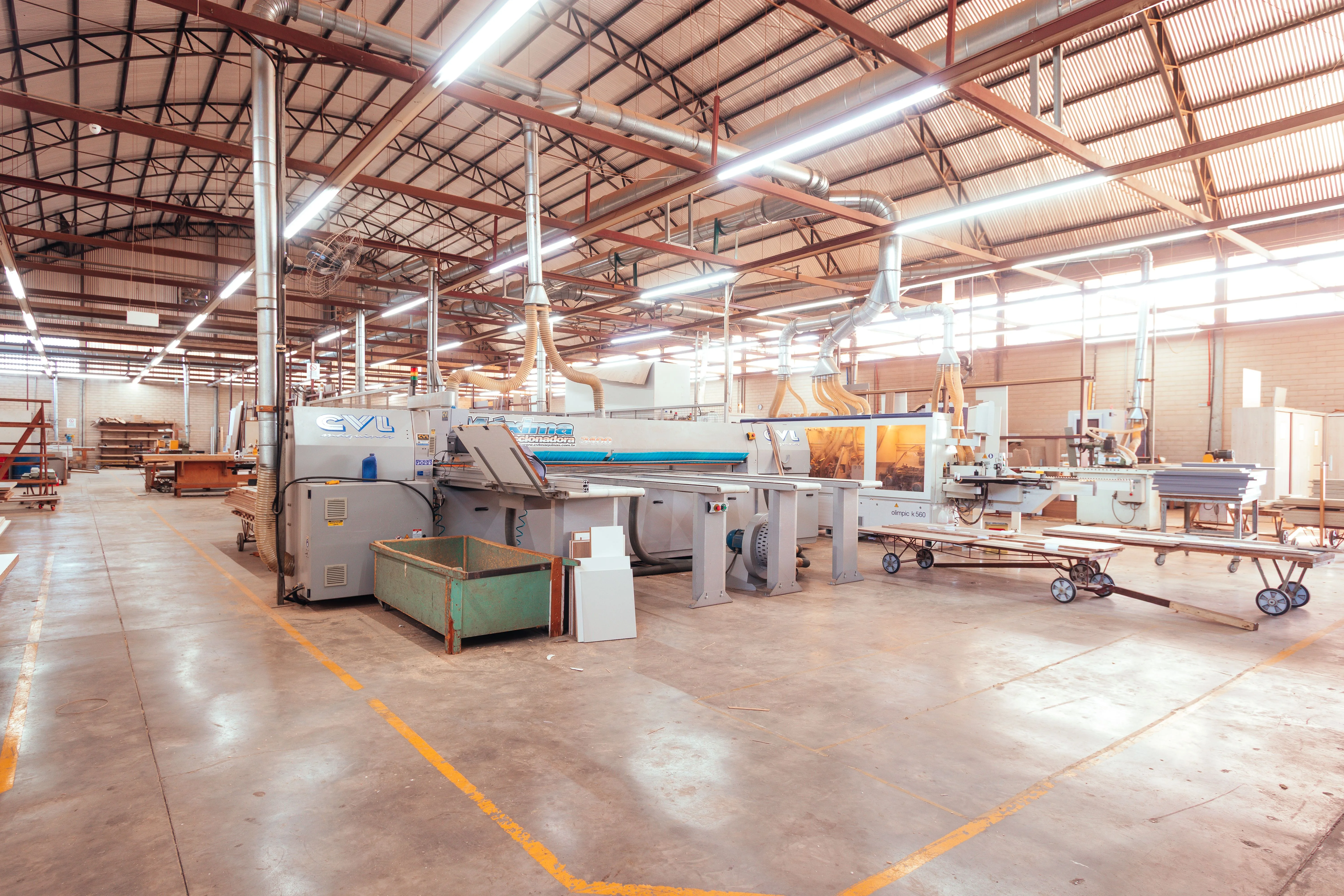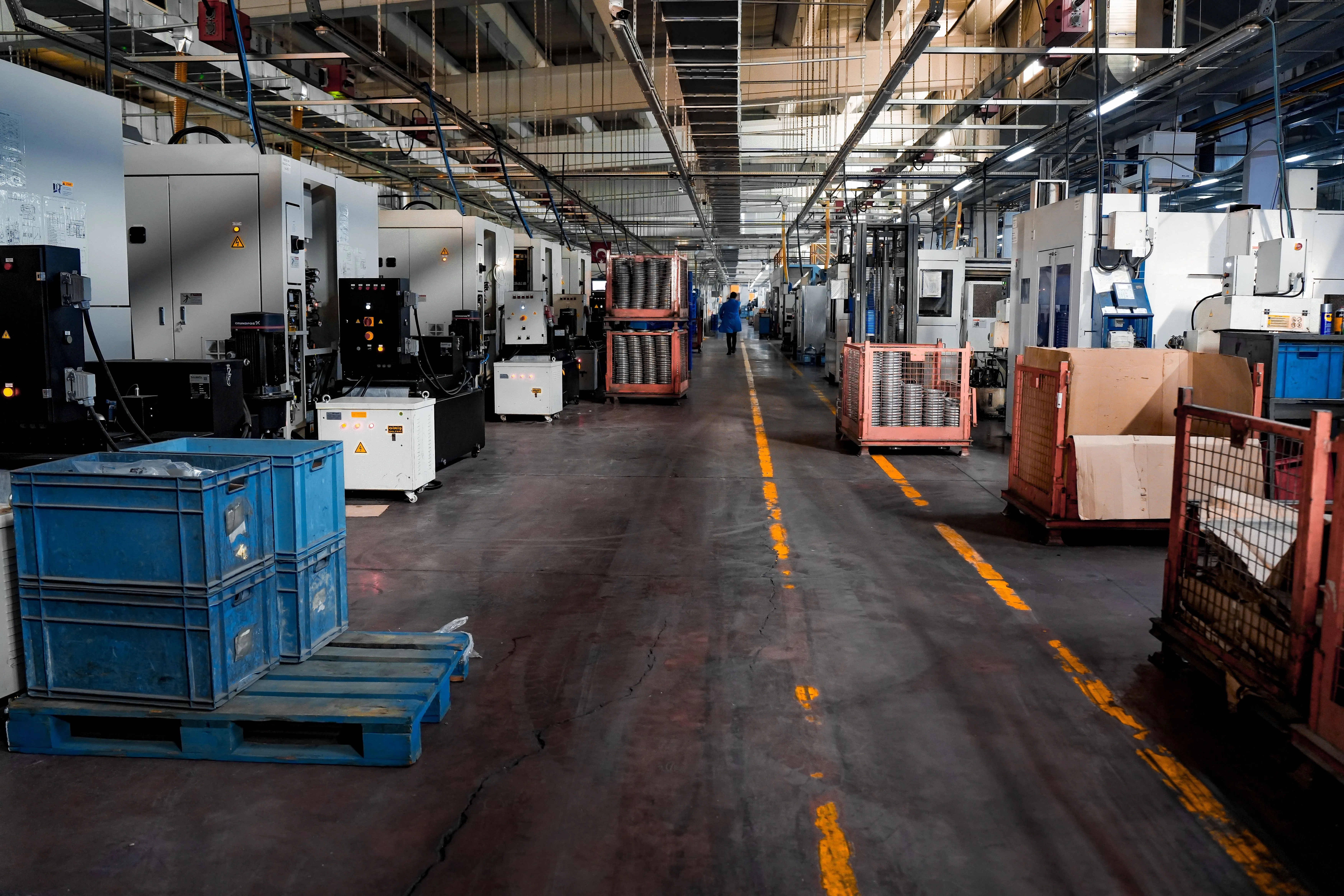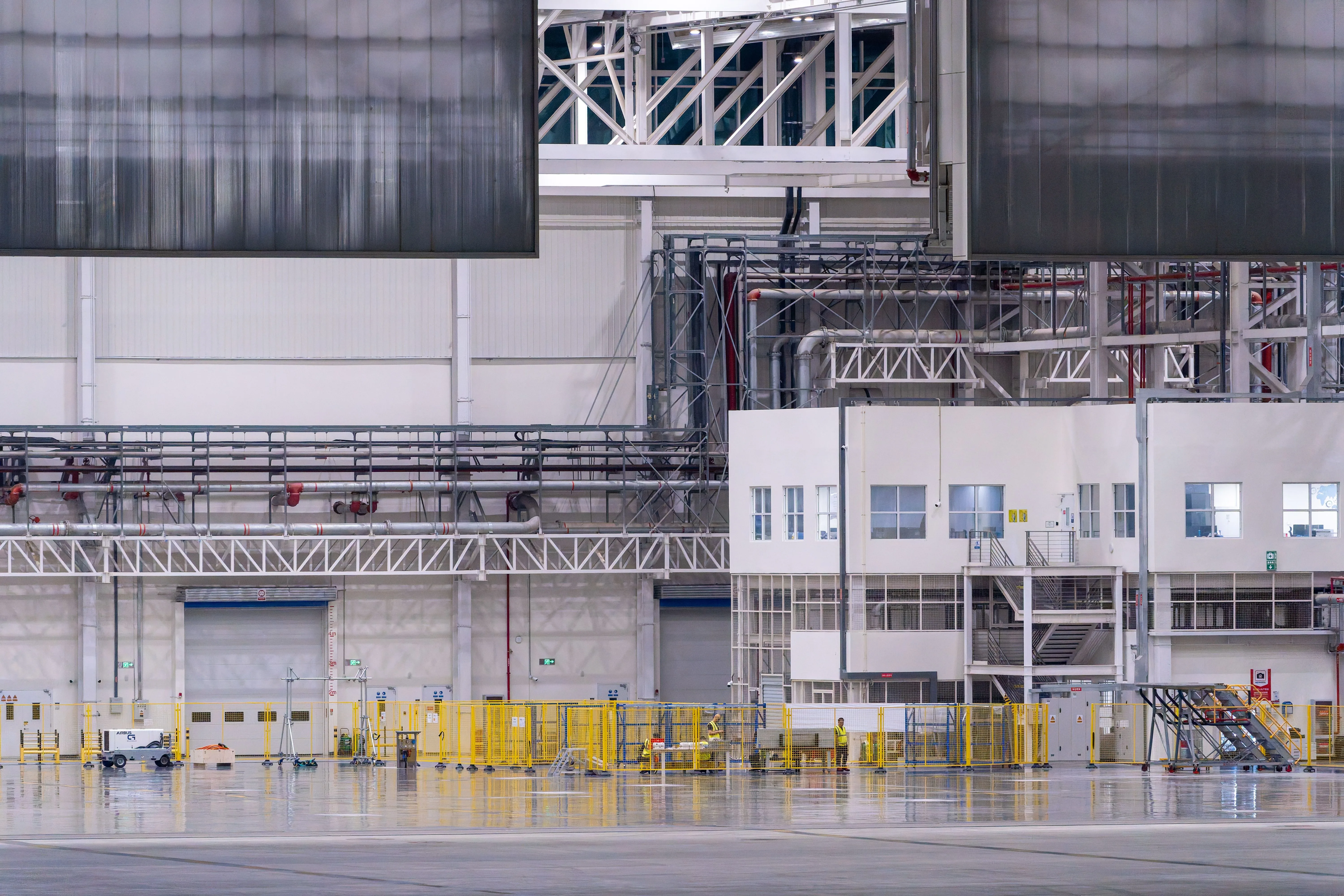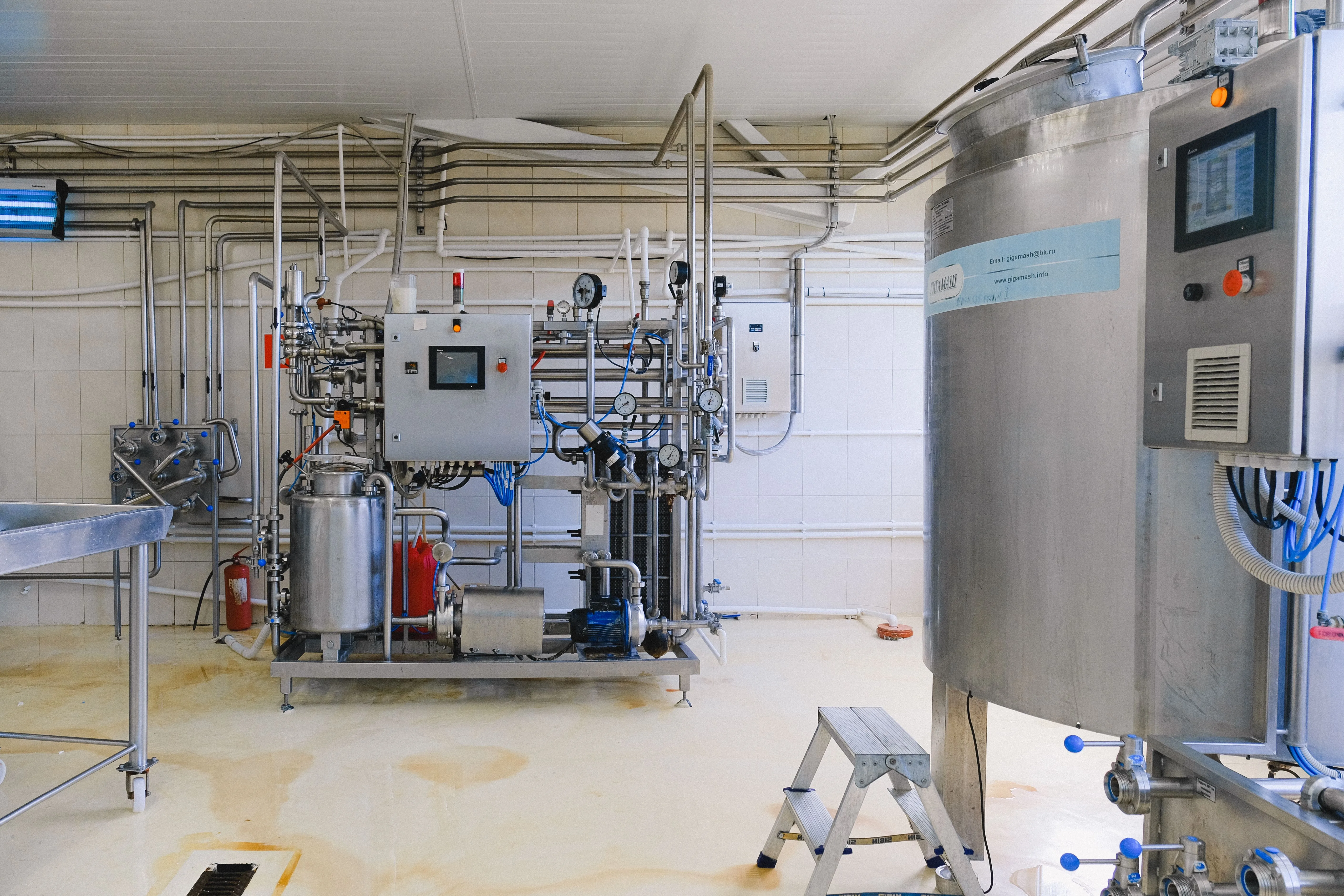

Industrial electrical work sits at the point where a machine meets the building that feeds it. Getting that connection right is unglamorous and consequential: conductors and protection sized for the actual load, disconnects where they need to be, controls that behave predictably, and terminations that survive vibration and heat cycling for years rather than months.
We do industrial electrical work at facilities across Middle Tennessee. Our previous site introduced it this way:
Quoted word-for-word from our previous website.Comprehensive industrial electrical services for manufacturing, production, and heavy industry. Power Line Electrical Contractors ensures robust power systems.
The industrial work we take on
Machinery connections, motor controls, three-phase distribution, machine moves, plant fault-finding — and the scope boundary we hold.
- Machinery wiring and connections — installing and maintaining the electrical side of production equipment: feeders, disconnects, correct overcurrent protection, and terminations made to the specification the equipment actually requires.
- Motor controls. Starters, contactors, overloads, control wiring and the fault-finding that goes with them. A motor that trips on start and a motor that trips under load are two different problems with two different answers.
- Three-phase power distribution within a facility — branch distribution, sub-panels, and feeders to new equipment positions when a line is reconfigured.
- Machine relocations and line changes, where equipment moves and its supply has to move with it, safely and in a shutdown window that suits production.
- Fault-finding on plant circuits, including intermittent faults that only appear when a particular combination of equipment runs.
- Lighting for production, warehouse and yard areas, where fitting height and switching arrangements matter more than fixture choice.
Be aware of the boundaries. We are a licensed electrical contractor, not a controls-engineering house: we install, wire, connect and troubleshoot, and we do not design automation systems or claim capabilities we cannot evidence. If a job needs an engineered control-system design or a specialist discipline, the useful answer is to tell you that at the start.
When a facility calls us
The plant conditions that bring us in, and why the timing of the fix is the part you actually control.
- A machine that keeps dropping out and the maintenance team has exhausted the mechanical explanations.
- New or relocated equipment arriving with a supply requirement the current distribution does not meet.
- A production line being reconfigured, where several supplies need moving in one shutdown.
- Nuisance tripping that is getting worse, particularly under combined load — often a sign of a distribution problem rather than a machine problem.
- Heat, discoloration or a smell at a panel or a disconnect. In a plant this is an urgent call, not a maintenance ticket.
- Aging distribution that has been extended repeatedly and now has nobody who can say with confidence what feeds what.
There is a version of this list that never gets acted on, because in a working plant every one of these items competes with production for attention. The practical argument for dealing with them early is not safety rhetoric, it is scheduling: a connection you replace during a planned shutdown costs you the shutdown you already planned, and the same connection replaced after it fails costs you the line, the shift, and whatever was in process when it went. The electrical work is identical. Only the timing is yours to choose.
How we approach plant work
Planned backwards from your shutdown window, walked on site rather than off a drawing, and isolated and proved dead before work starts.
Industrial jobs are planned backwards from your shutdown window. What must be live, what can be dead, for how long, and what has to be running again before the next shift. That conversation happens before any pricing, because a job that is straightforward on a Saturday can be impossible on a Tuesday.
We then walk the actual installation — supply, distribution, the equipment nameplate, the existing protection and the physical routes — rather than working from a drawing that may predate three modifications. If what we find is different from what was described, you hear it immediately.
Safe isolation is not negotiable and is not something we compress to save an hour. We isolate, prove dead, and work on dead equipment. Where a task genuinely cannot be done that way, the honest answer is often that it should wait for a window when it can be.
Afterwards we test, label the distribution properly, and tell your maintenance lead what changed. Where the work is permit-triggering, we coordinate the paperwork and inspection.
Why Power Line Electrical Contractors
A licensed single contractor stating plainly which industrial jobs suit us and which ones do not.
The most valuable thing a plant gets from us is a contractor who says what he can and cannot do. Industrial electrical work attracts overclaiming — capability lists that read impressively and collapse on site. We would rather scope narrowly, do it properly, and be useful again next time.
All work is performed under Tennessee Electrical Contractor #82227 by a licensed, bonded and insured contractor with 25+ years of experience. We are reachable 5:00 AM to 7:00 PM, seven days a week, which covers most shift patterns, and emergency and same-day service is available when a line is down. Estimates are free.
One practical note: we are a single licensed contractor rather than a large crew, which suits machine-level and distribution work and does not suit a project needing several trades on site simultaneously. Ask, and we will tell you honestly which one your job is.
Describe your facility’s problem, or see the full range of what we do.
Industrial Electrical FAQs
Does Power Line Electrical Contractors design automation or control systems?Installation, wiring and fault-finding on industrial equipment — not controls engineering, and said at the start.
No. We install, wire, connect and troubleshoot industrial equipment, but we do not design automation systems or claim controls-engineering capabilities we can't evidence — if a job needs that specialty, we'll tell you at the start.
Can industrial electrical work be scheduled around a planned shutdown?Planned backwards from the shutdown window: what stays live, what goes dead, and for how long.
Yes. Industrial jobs are planned backwards from your shutdown window — what must stay live, what can be dead, and for how long — before any pricing happens.
Does PLEC handle three-phase power distribution?Branch distribution, sub-panels and feeders inside a facility when a production line is reconfigured.
Yes, within a facility — branch distribution, sub-panels, and feeders to new equipment positions when a production line is reconfigured.