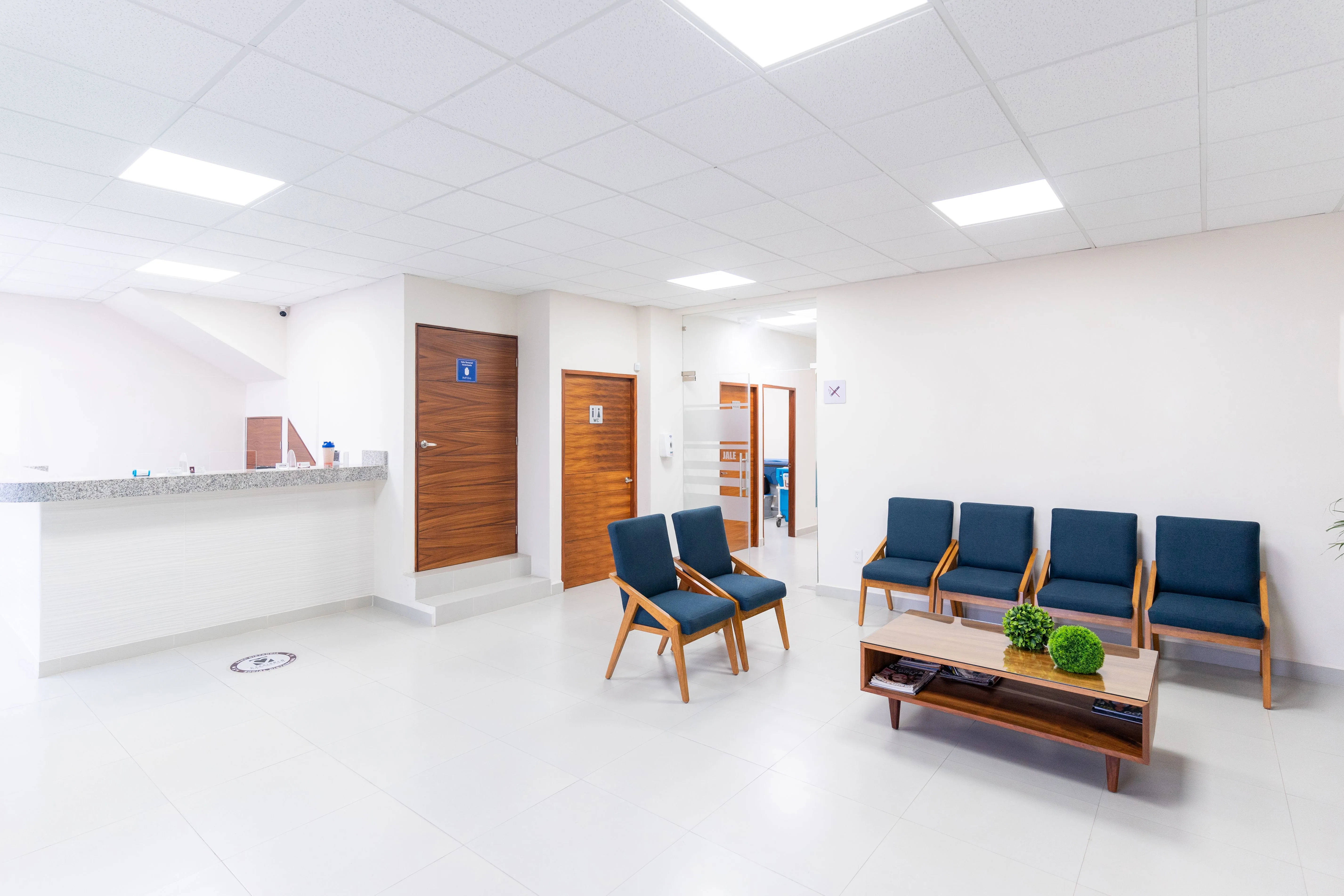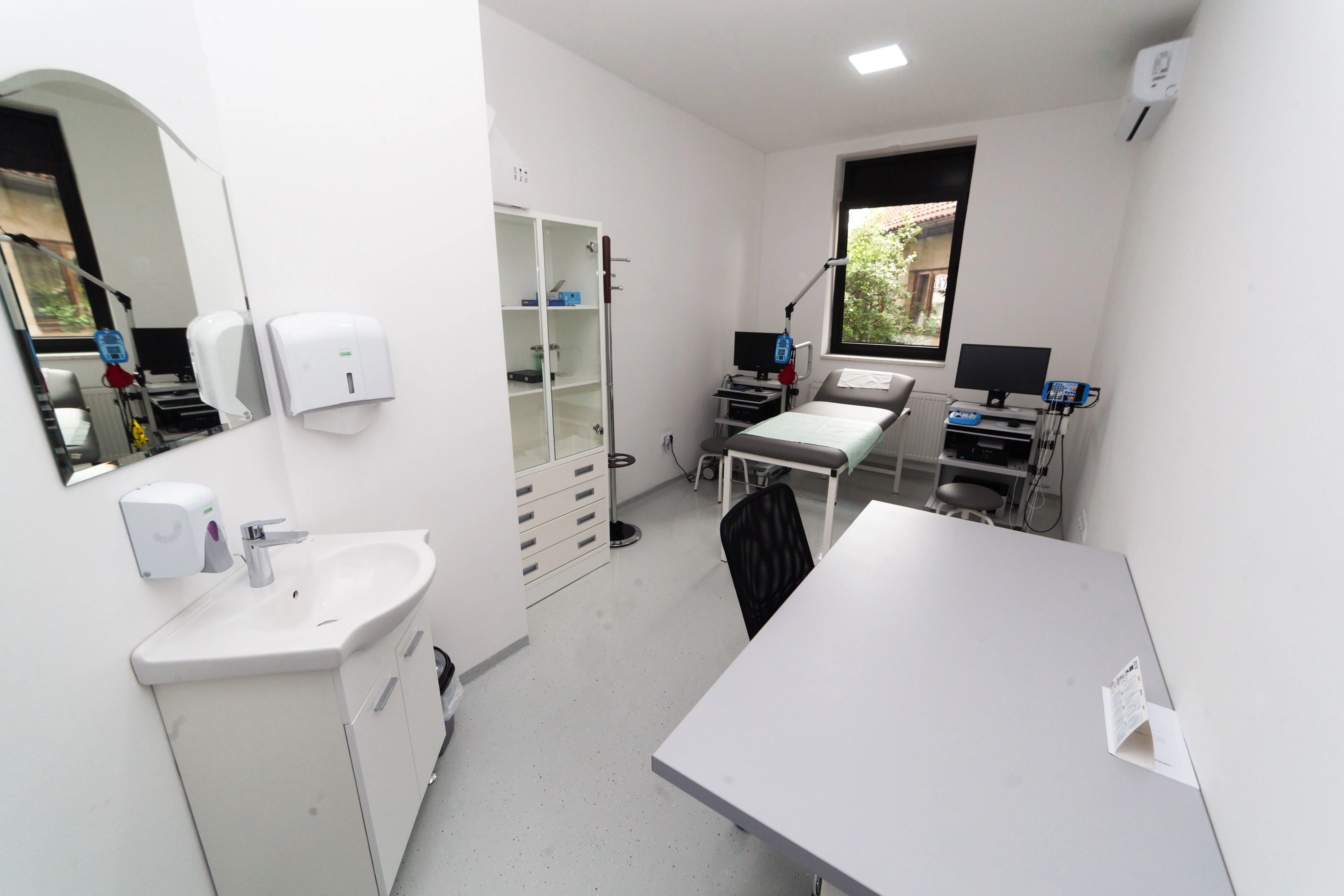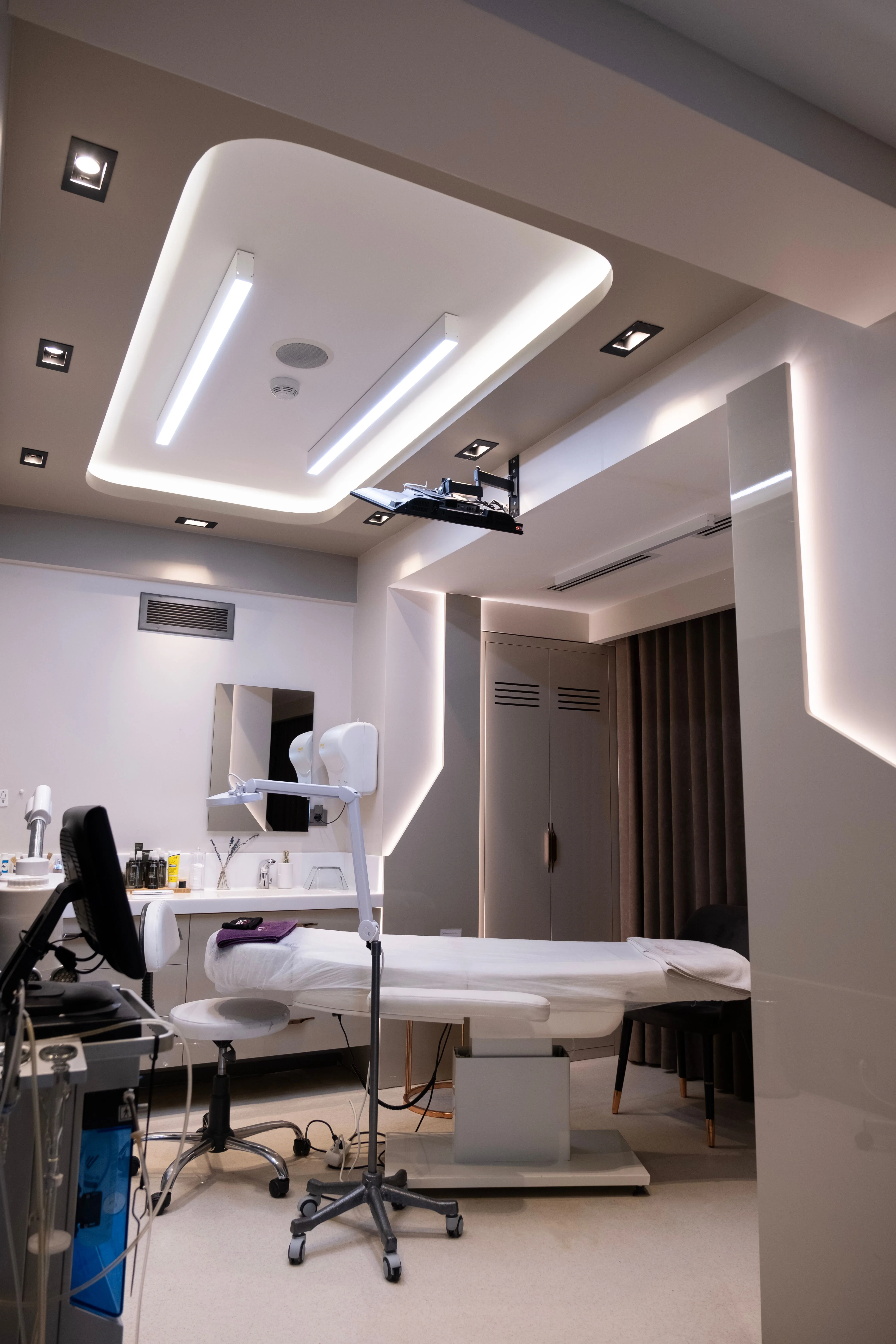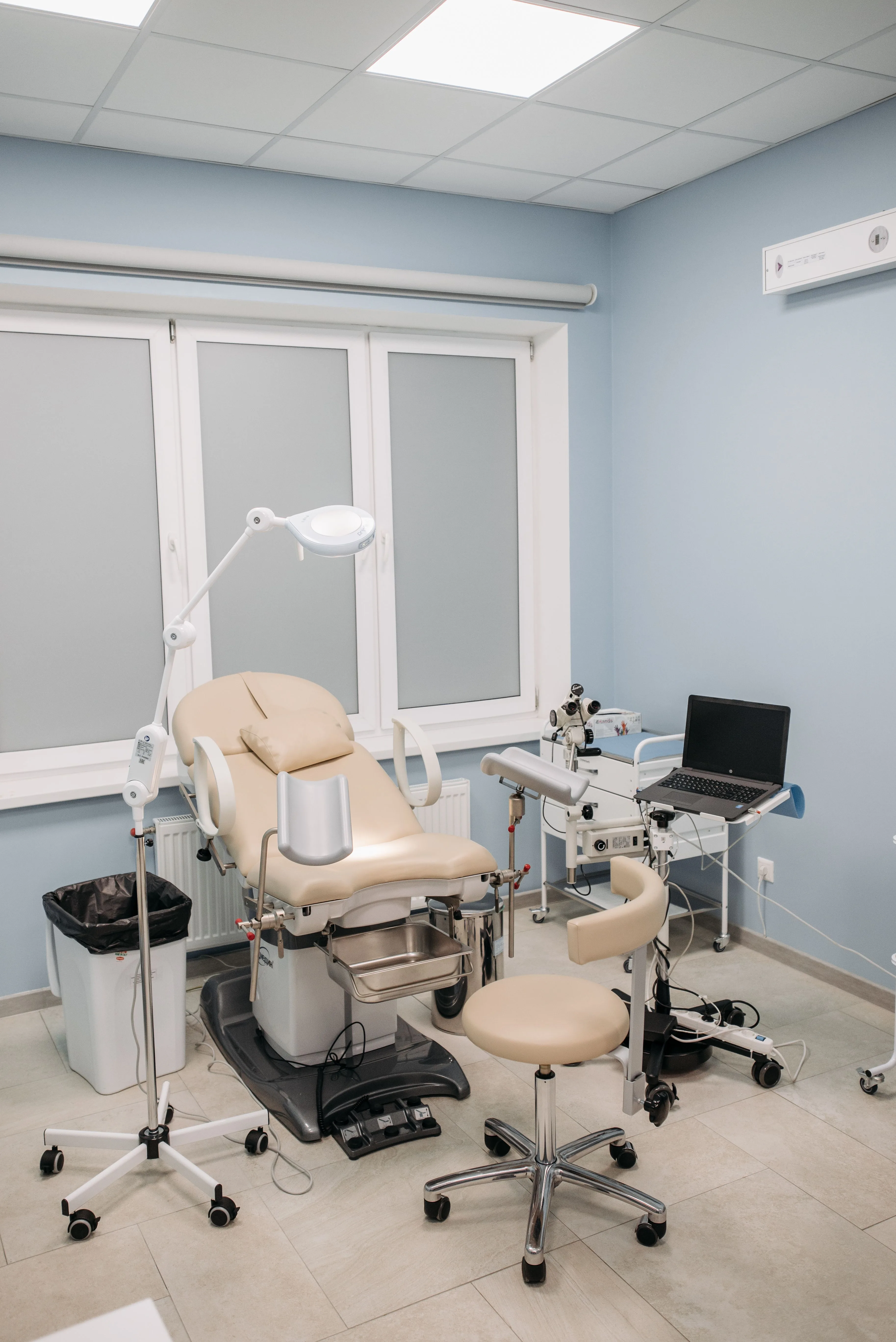

Electrical work in a clinical setting is ordinary electrical work carried out under two extra constraints: the rooms are in use on a schedule that cannot slip, and the equipment plugged into them is more sensitive and more expensive than anything in a house. Neither changes what good wiring looks like. Both change how the job is planned.
We work in clinics, medical and dental offices, therapy and outpatient facilities and similar clinical environments across Nashville, Brentwood, Franklin, Hendersonville, Gallatin, Goodlettsville, Mt. Juliet, White House and the rest of our Middle Tennessee service area. Our previous site described the work this way:
Quoted word-for-word from our previous website.Expert electrical services for healthcare facilities, ensuring safety, reliability, & compliance with critical standards.
What we do in clinical facilities
Dedicated circuits sized to the nameplate, grounding and bonding, room power, clinical lighting, capacity work — and the specialties we refer out.
- Dedicated circuits for clinical and imaging equipment, sized to the nameplate rather than to what the room happens to have, and kept off circuits shared with anything that cycles. The general principles are on our dedicated circuits page.
- Grounding and bonding work. In an environment full of sensitive electronics this is the difference between equipment that reads cleanly and equipment that intermittently does not, and it is the most commonly neglected part of an older fit-out.
- Treatment and exam room power — receptacle positions that suit how the room is actually used, added capacity for equipment that arrived after the building did, and tidy terminations where cleaning is constant.
- Lighting for clinical spaces, including exam lighting, corridor and waiting-area lighting and LED retrofits, covered further on our lighting installation page.
- Panel and service capacity work where a practice has added equipment, rooms or hours beyond what the original service was built for.
- Fault-finding and repairs, scheduled around clinics rather than through them.
What we do not claim. We do not present ourselves as a fire-alarm or life-safety systems contractor, we do not install or commission UPS and standby power systems for critical care, and we do not claim hospital-scale project capability. Those are separate specialties with their own licensing and certification, and a clinic is better served by an electrician who says so.
When a practice usually calls
New equipment, a repurposed room, trips during clinic hours, or a building whose use has outrun its wiring.
- New equipment arriving that the existing circuits were never sized for.
- A fit-out or a room repurposed — a store becoming a treatment room, a consulting room becoming an imaging room.
- Breakers tripping during clinic hours, which is both a disruption and a sign that load has outgrown the distribution.
- Equipment behaving inconsistently in one room and not another — often a grounding or shared-circuit issue rather than an equipment fault.
- A practice moving into a building that was designed for a different use entirely.
- An inspection or an insurer raising questions about the electrical installation.
The common thread is that clinical buildings change use faster than their wiring changes. A practice adds a service line, buys a piece of equipment, converts a room, extends its opening hours — and the electrical installation underneath does none of those things until somebody asks it to. Most of what we are called in for is not a fault at all. It is a building that was correctly wired for what it used to be, being asked to do something newer, and the gap showing up as a tripping breaker or an instrument that will not read straight.
How the work is planned
Built around your patient calendar: survey first, scope and price before work, the smallest area isolated, panel labeled at handover.
We start with your calendar. Which rooms are in use when, which days are lighter, what can be isolated without closing a corridor, and what absolutely must be live at all times. Our hours run 5:00 AM to 7:00 PM, seven days a week, and in clinical settings that early window is often where the work actually happens.
We survey before quoting: the service, the panel, the true circuit layout, the equipment nameplates, and the routes available above ceilings. You get a scope and a price before work starts and a call before either changes.
On site we isolate the smallest area that lets us work safely, keep corridors and egress clear, and clean thoroughly as we go — dust control matters more here than anywhere else we work. Where permits and inspection apply we handle the coordination. At the end, the panel is labeled properly so the next person to open it can read it, and your facilities lead gets a walkthrough of what changed.
Why Power Line Electrical Contractors
Honest scoping, work planned around patients, and a straight answer about what belongs to a different specialty.
Healthcare buyers are used to being sold capability lists. What we offer instead is a licensed contractor who scopes honestly, works around patients, and refers on the things that need a different specialty.
All work is performed under Tennessee Electrical Contractor #82227 by a licensed, bonded and insured contractor with 25+ years of experience, and the licensing and insurance answer most practice managers need for their own records is on our FAQ page. Emergency and same-day service is available. Estimates are free.
Tell us about your facility, or browse all of our electrical services.
Healthcare Facility Electrical FAQs
Does Power Line Electrical Contractors work in occupied medical or dental offices?Scheduled around the patient calendar — which rooms are in use, what can be isolated, what stays live.
Yes. We schedule around your patient calendar — which rooms are in use when, what can be isolated without closing a corridor, and what must stay live — rather than around convenient blocks of time.
Does PLEC install fire alarm or life-safety systems for healthcare facilities?Not a fire-alarm or life-safety contractor, and not critical-care standby power — separate specialties with their own licensing.
No. We do not present ourselves as a fire-alarm or life-safety systems contractor and do not install or commission UPS and standby power systems for critical care — those are separate specialties with their own licensing.
Is Power Line Electrical Contractors licensed and insured for clinical facility work?Licensed, bonded and insured work under Tennessee Electrical Contractor License #82227.
Yes. All work is performed under Tennessee Electrical Contractor License #82227 by a licensed, bonded and insured contractor with 25+ years of experience.